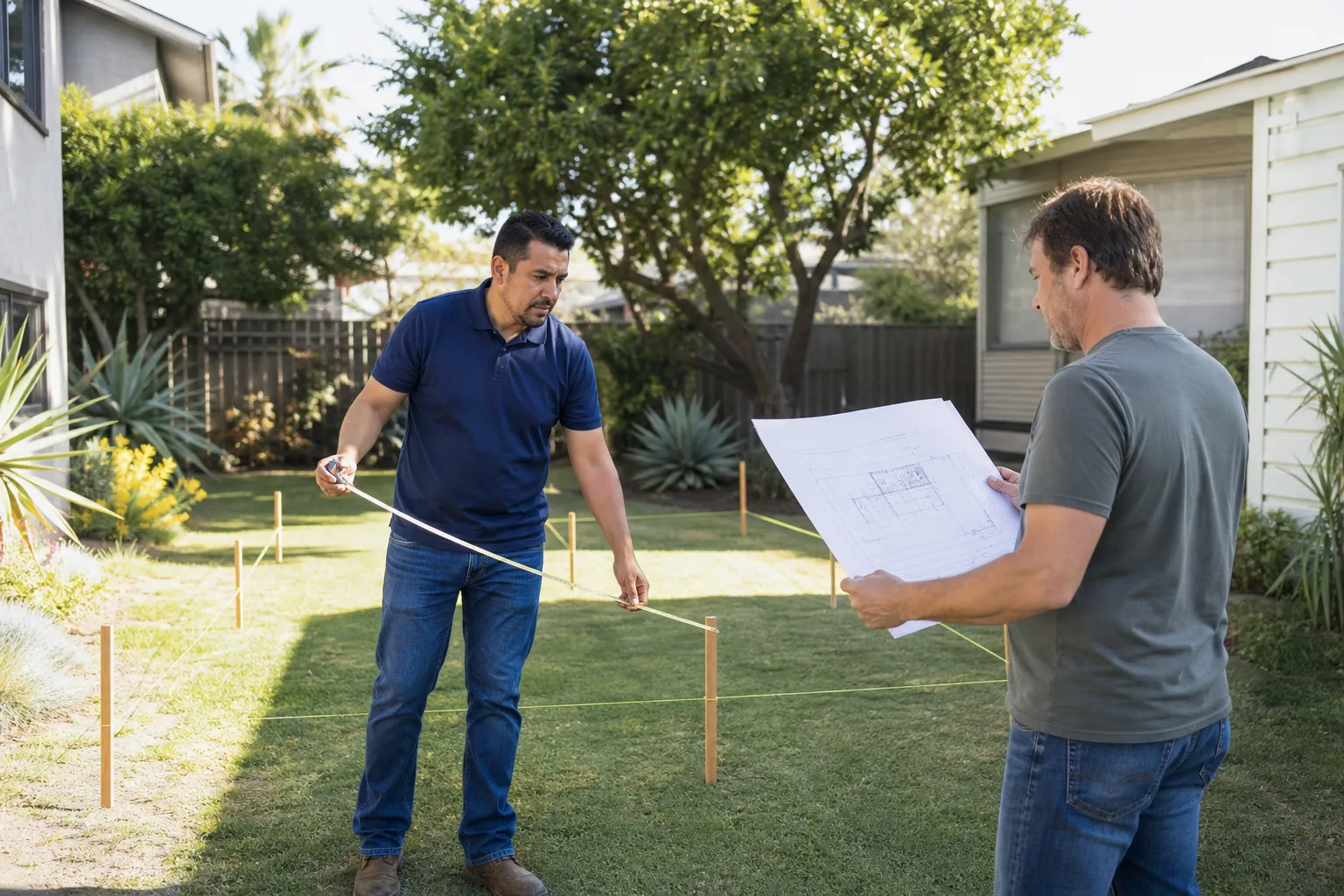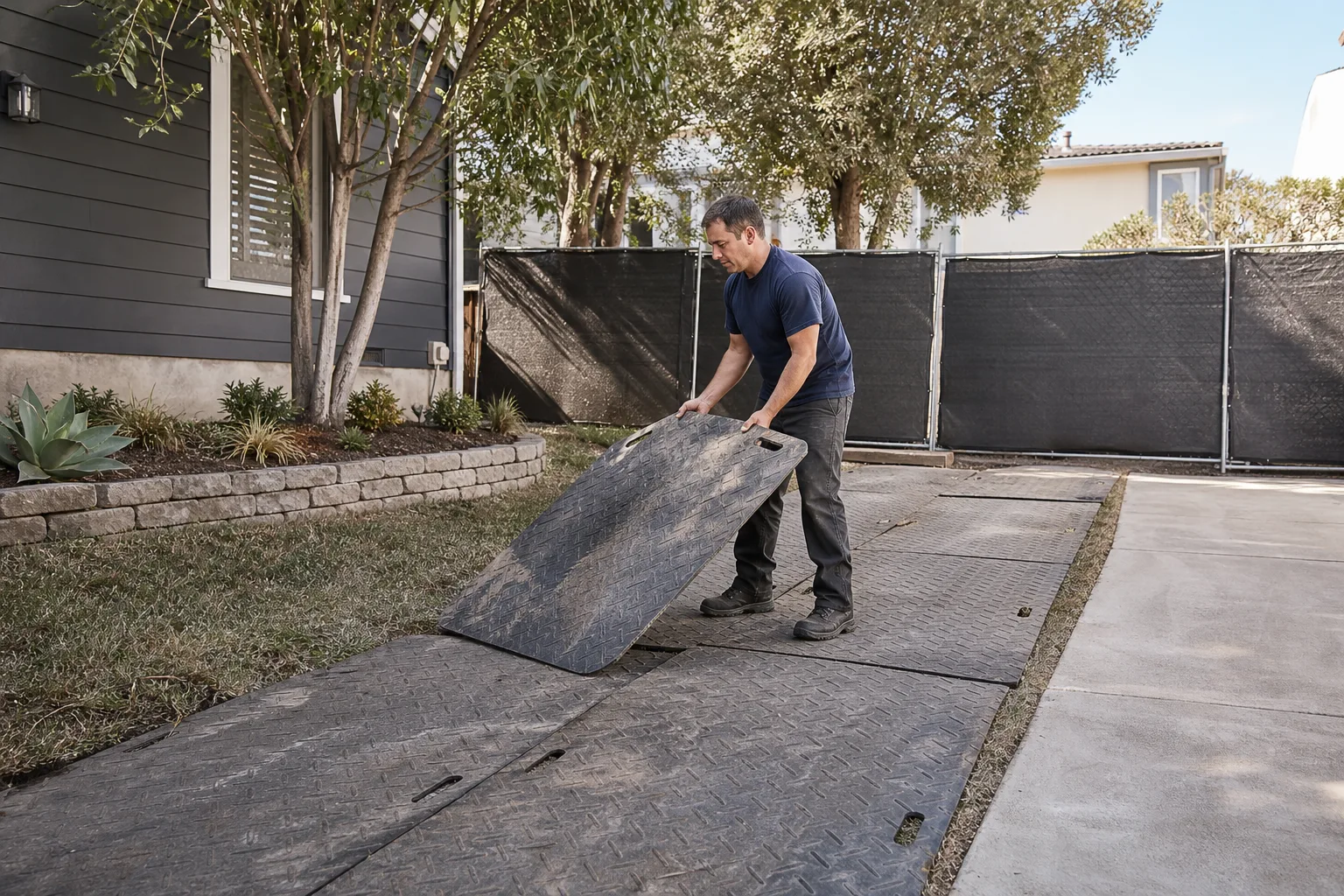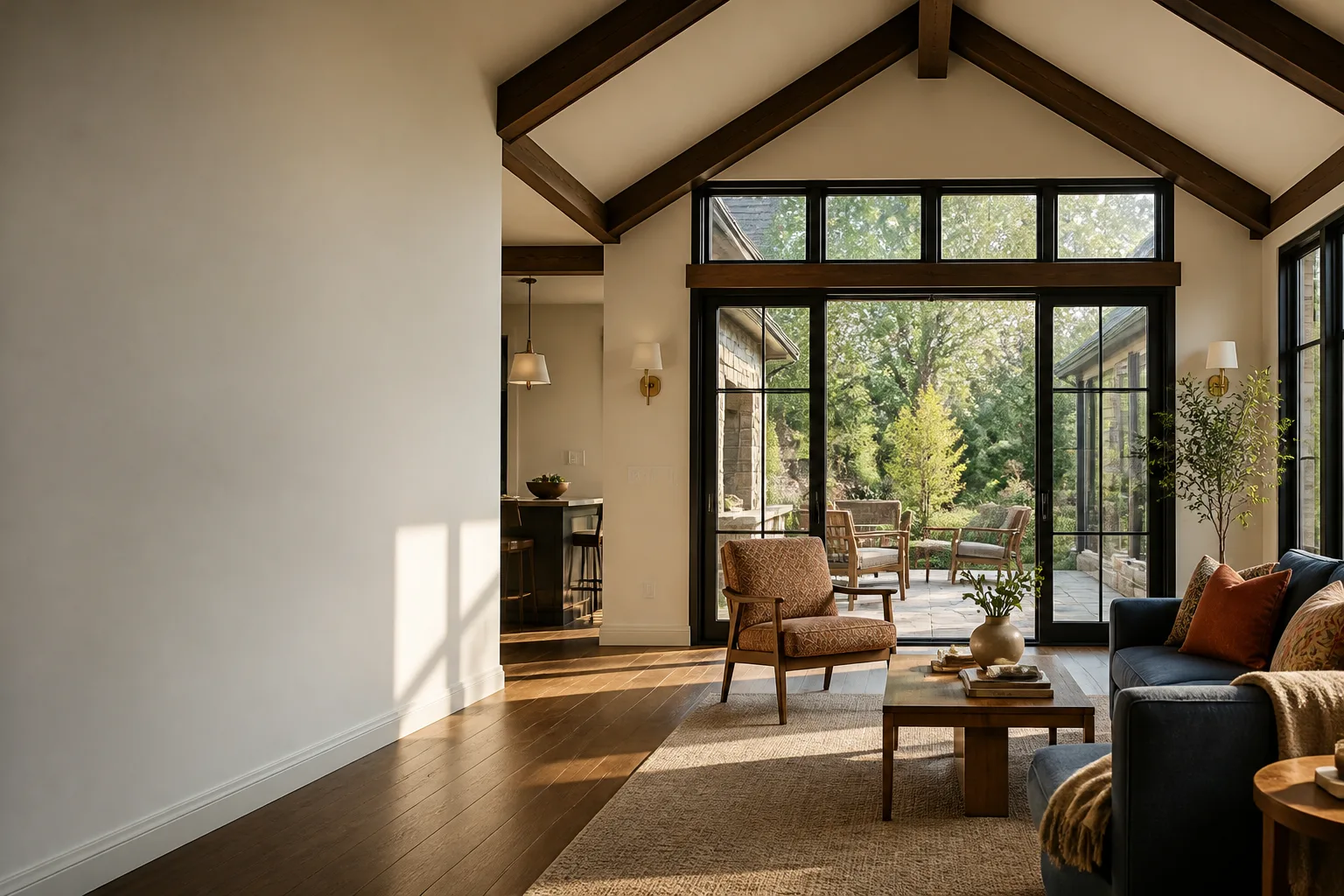
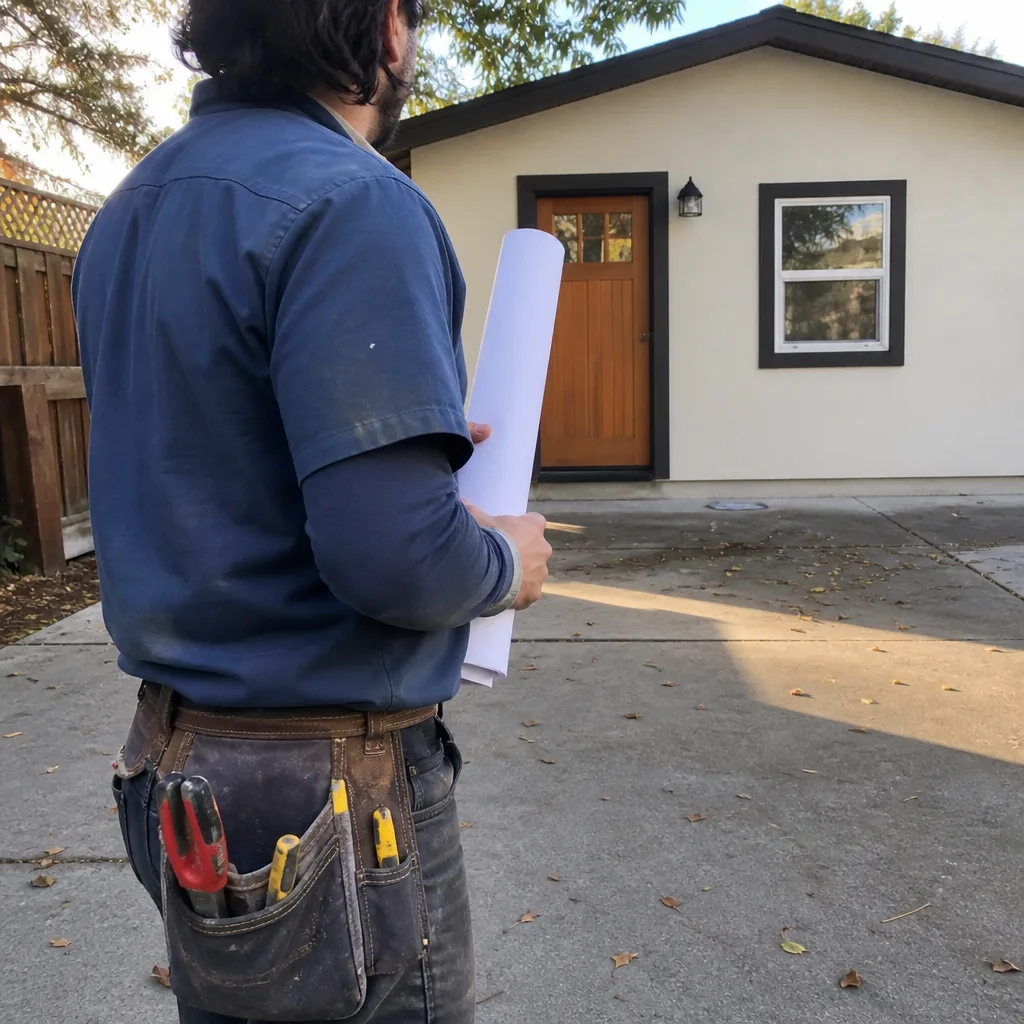
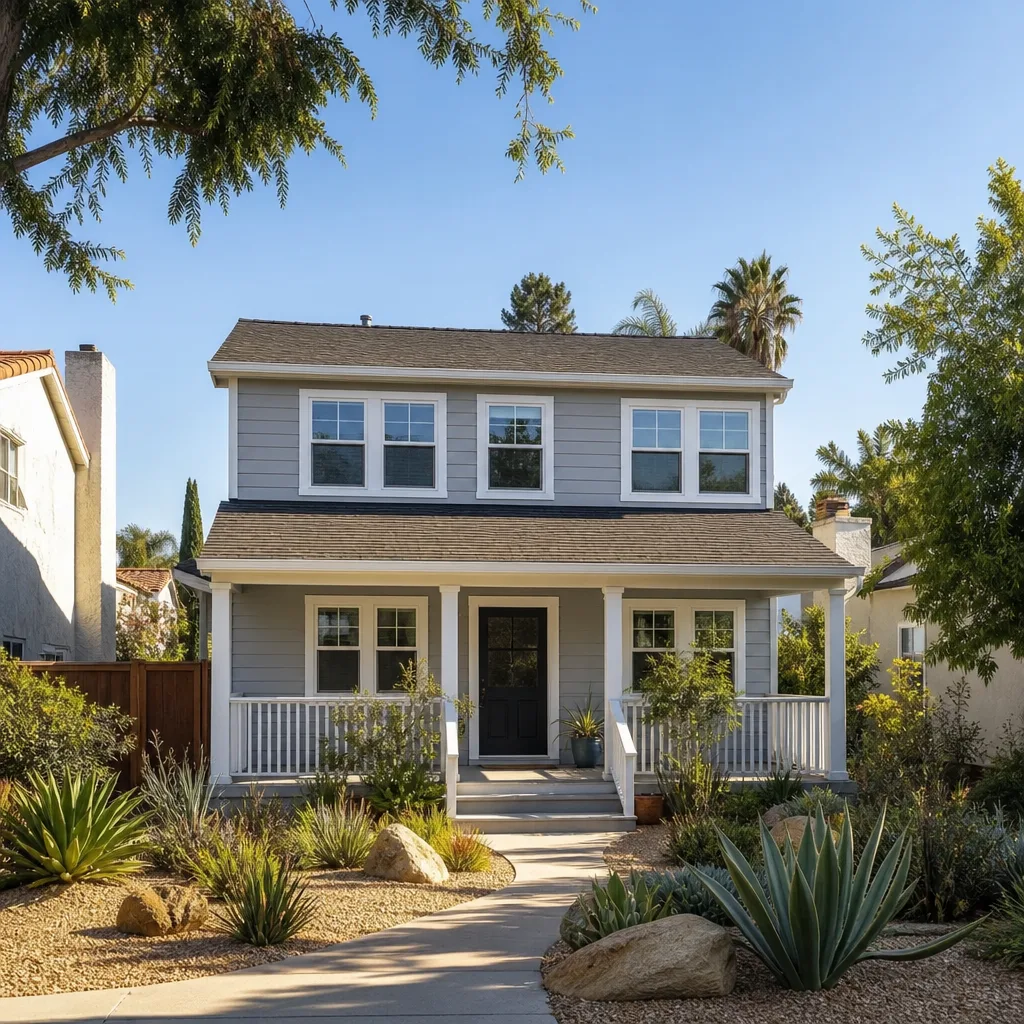
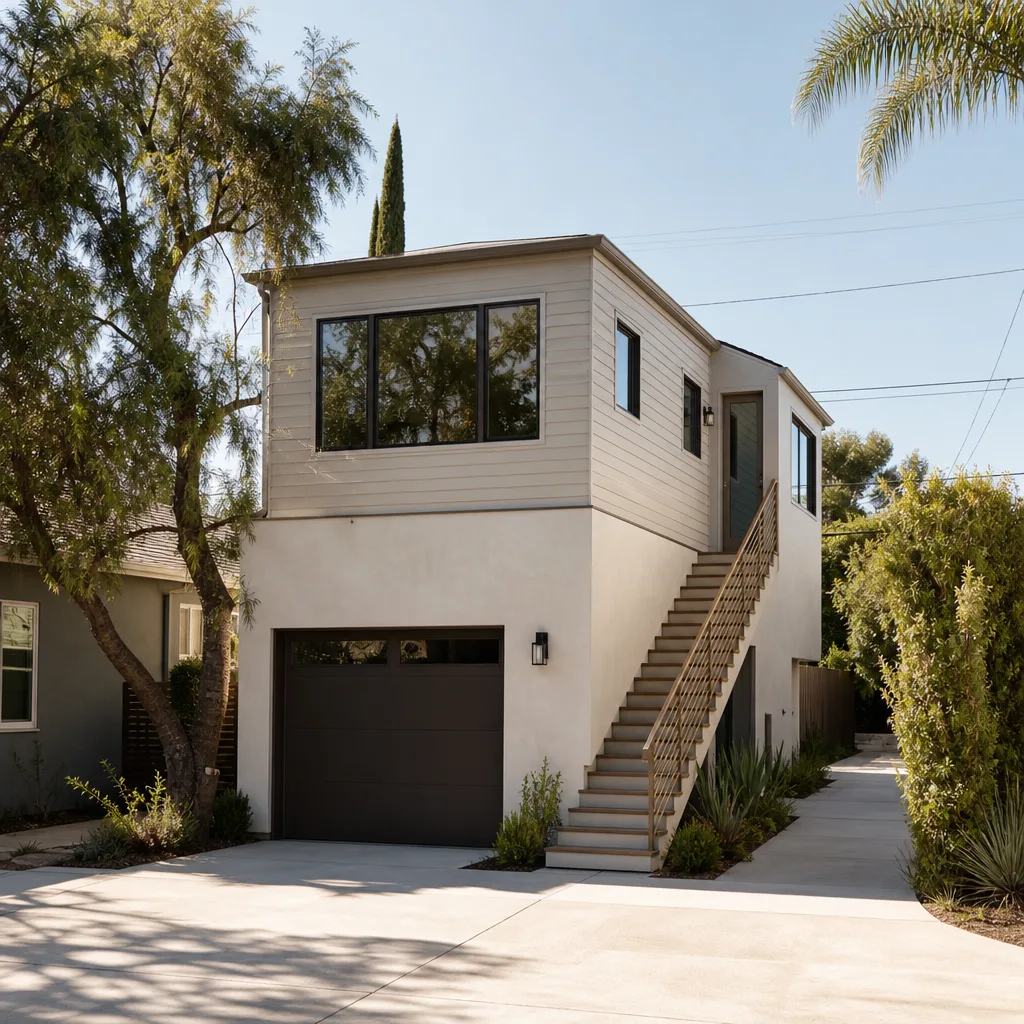
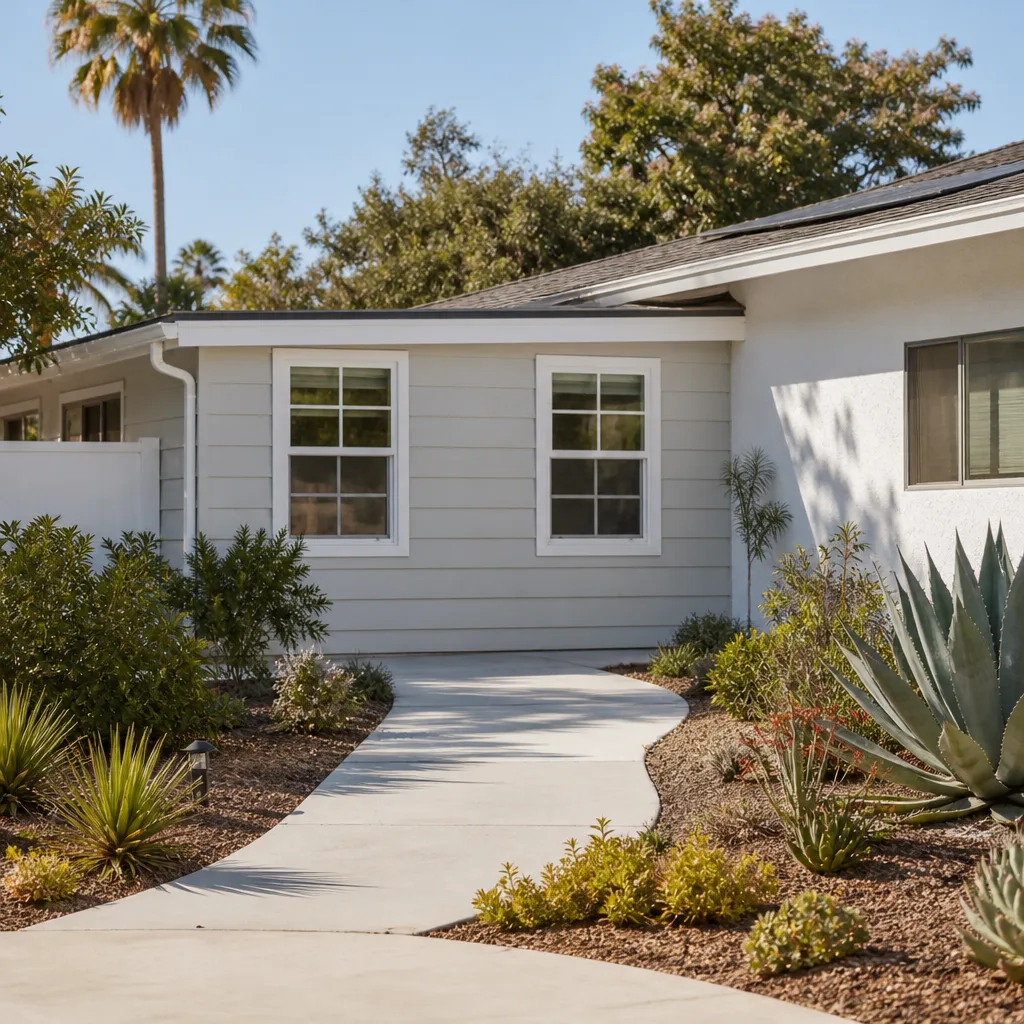
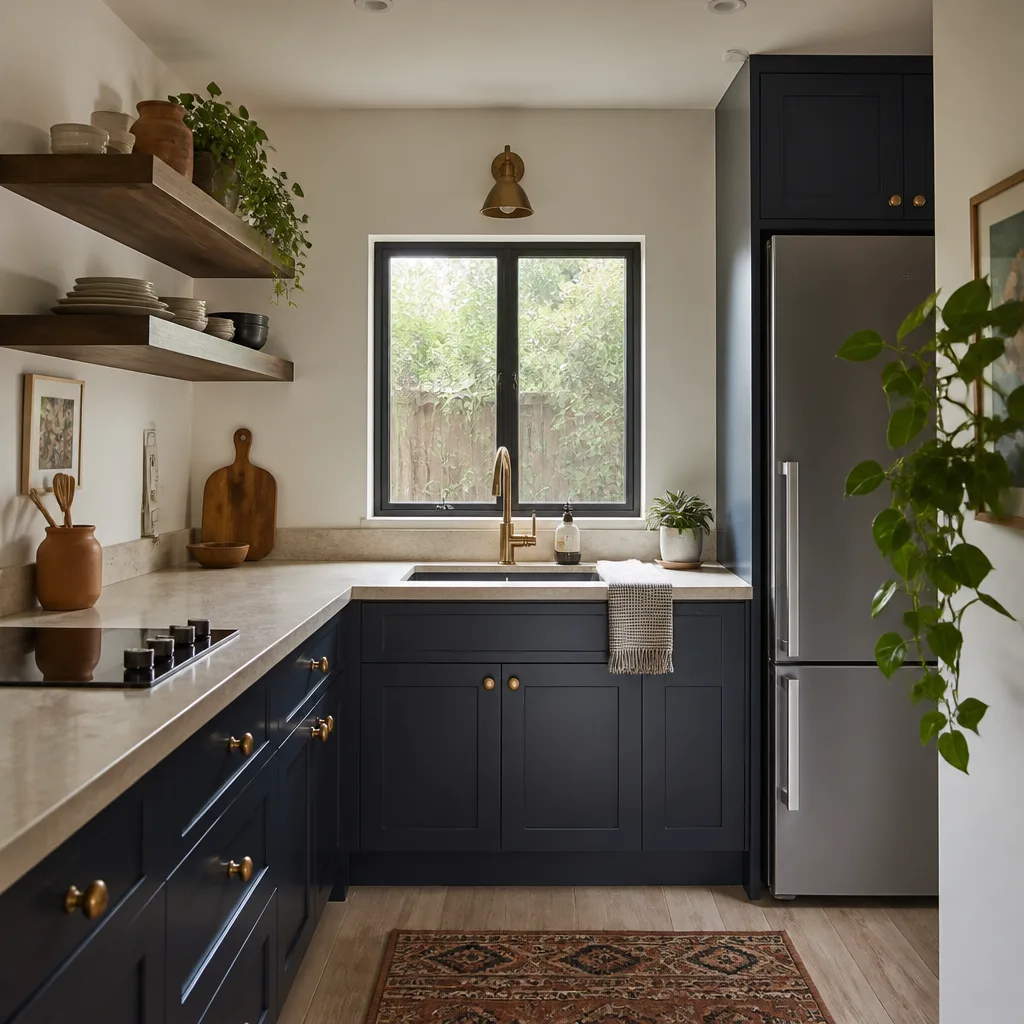
A free site visit, a check of what your lot allows and a written, line-item price.
Get your free estimateFast, Reliable Room Addition Contractor Across Stanford
A room addition in Stanford typically runs $285 – $475 per square foot for conventional construction, with high-end custom work reaching $600+ per square foot when architectural glass, specialty millwork, and designer finishes enter the scope. The approval path here is different from surrounding cities because Stanford’s SC zoning districts and faculty housing covenants often trigger discretionary design review that state ADU law would normally bypass. We know those review bodies, their material expectations, and their calendars. Call (669) 201-3984 and we’ll walk you through what your specific lot will actually require before you spend a dollar on drawings.
Fielding ADU San Jose serves Stanford directly, with crews who know Junipero Serra Boulevard, the Professorville streets, and the faculty housing clusters off Stanford Avenue. Our Room Addition Contractor team handles the full scope: entitlement paperwork, structural work, custom finishes, and the long-lead ordering that high-end Stanford additions require. We put the price in writing before any work starts, and that number stays fixed through final inspection.
Why Fielding ADU San Jose Is Stanford’s Preferred Room Addition Contractor Company
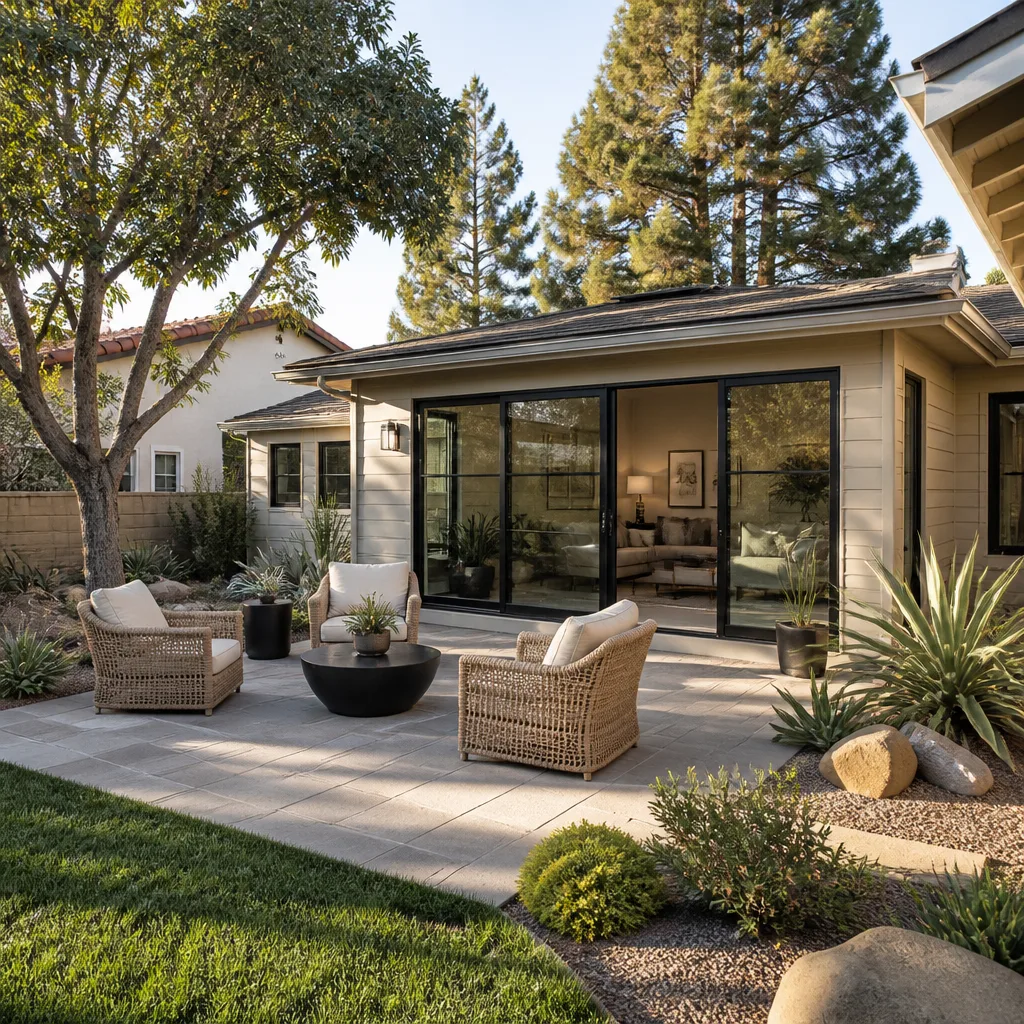
Stanford homeowners don’t shop for the cheapest bid. They’ve usually dealt with a contractor who missed the schedule, moved the price at the door, or left the permit board blank. What they want is someone who shows up, prices honestly, and finishes clean. That’s the work we do.
Every Fielding ADU San Jose crew member is background-checked and arrives in uniform. You know who’s on your site. Our parent organization, Garrison Partners, has been building to The Garrison Standard since 2006, and that standard applies to every Stanford addition we build: show up in the window, price in writing, build by the book, leave it clean, stand behind it for a year.
Reed Calloway leads our team. He’s the person you’ll talk to when you call, and he’s the one who makes sure the written price you approve on day one is the number on your final invoice. A live person answers every call, 24 hours a day, seven days a week. No voicemail. No callback queue.
We work with the prefab and modular platforms Stanford homeowners are already researching, including Abodu and Cover, plus conventional construction using James Hardie siding for fire-resistant exteriors. That means we can match the right build method to your lot, your design review constraints, and your budget instead of forcing one approach on every project.
Room Additions in Stanford
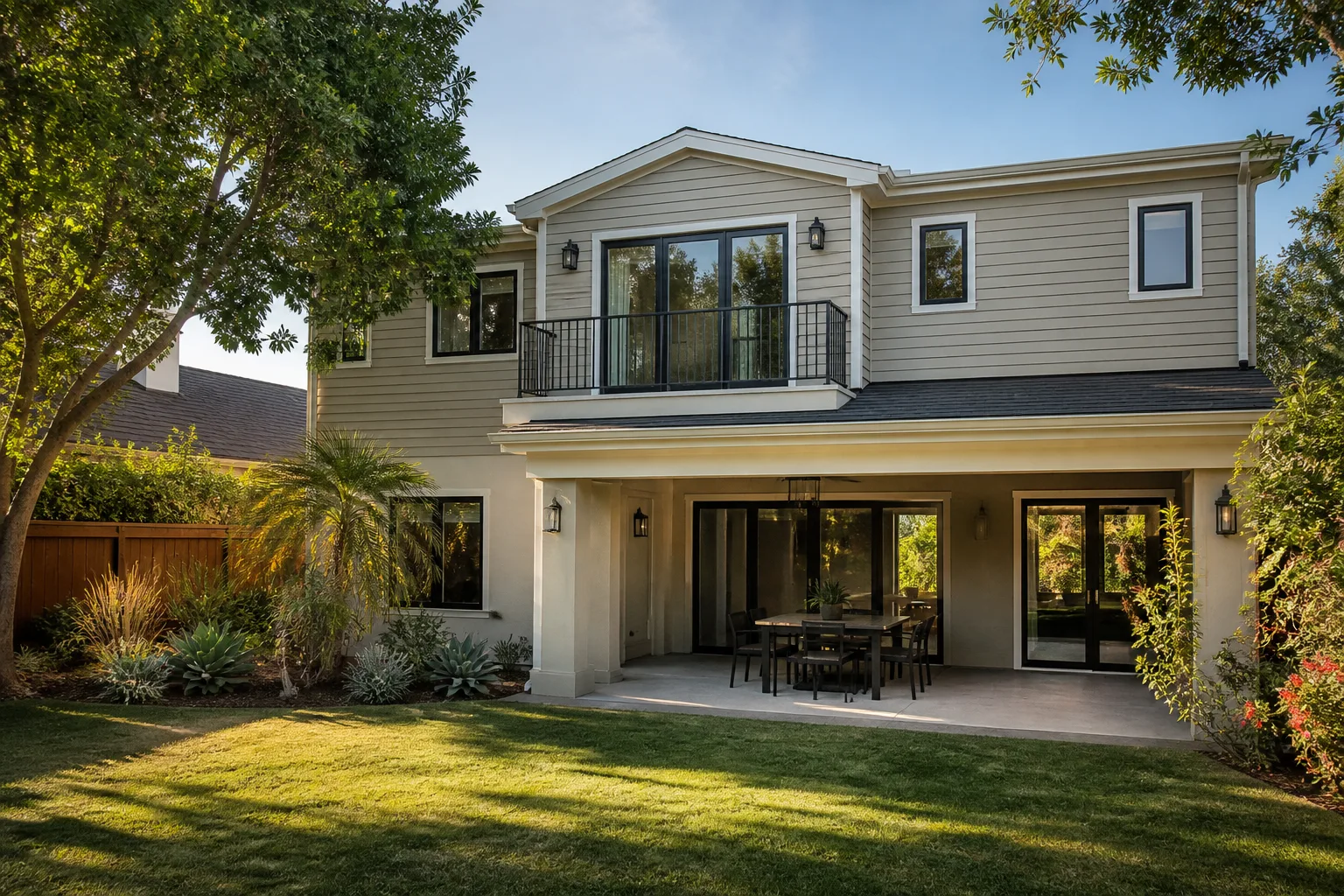
Room Additions in Stanford are rarely off-the-shelf projects. The housing stock here skews toward architect-designed single-family homes with Craftsman, Spanish Colonial Revival, and mid-century modern bones, and many sit on large lots within SC zoning districts or faculty housing areas where covenants override state ADU law. A room addition that would be by-right in Menlo Park or Palo Alto often triggers discretionary design review and historic-preservation conditions in Stanford. We handle that paperwork, and we build to the standard those review boards expect. A conventional room addition in Stanford typically runs $285 – $475 per square foot before permit fees, architect fees, and design review costs, with custom finishes pushing the number higher.
Design Review and Entitlement
When a Stanford lot falls within an SC district or faculty covenant area, the city or university review body can impose facade conditions, material restrictions, and deeper setbacks than standard county rules. We prepare for that from day one. Plans, material boards, and millwork shop drawings go in early, before long-lead items are ordered, so the entitlement calendar and fabrication schedule stay in sync.
Custom Millwork and Architectural Finishes
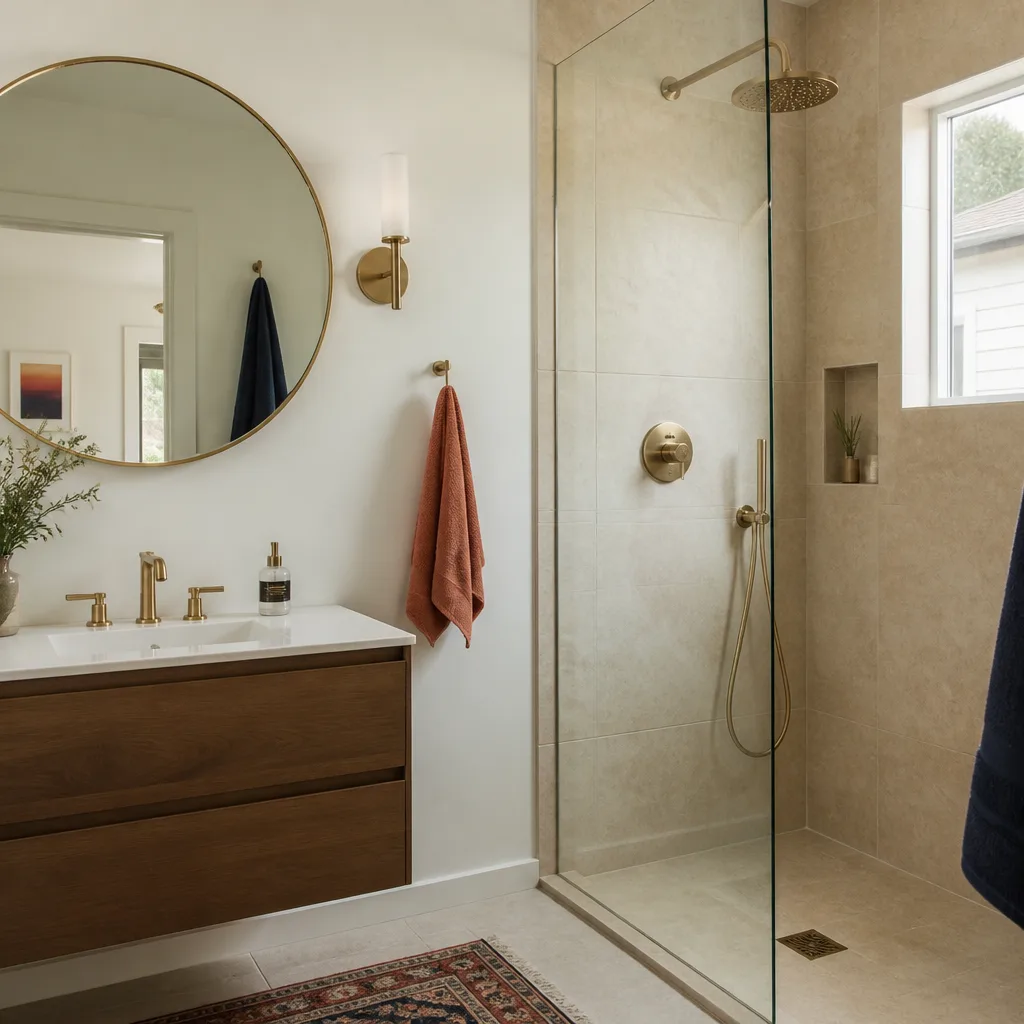
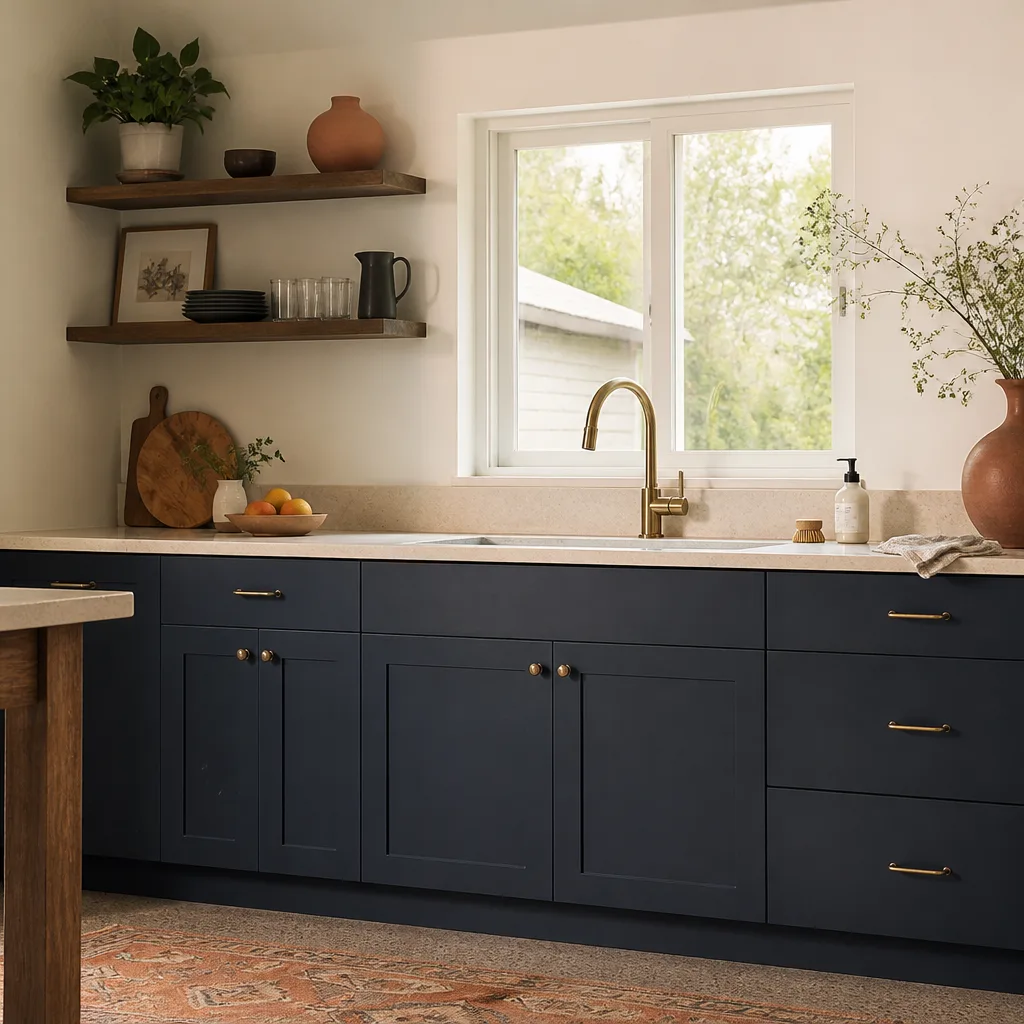
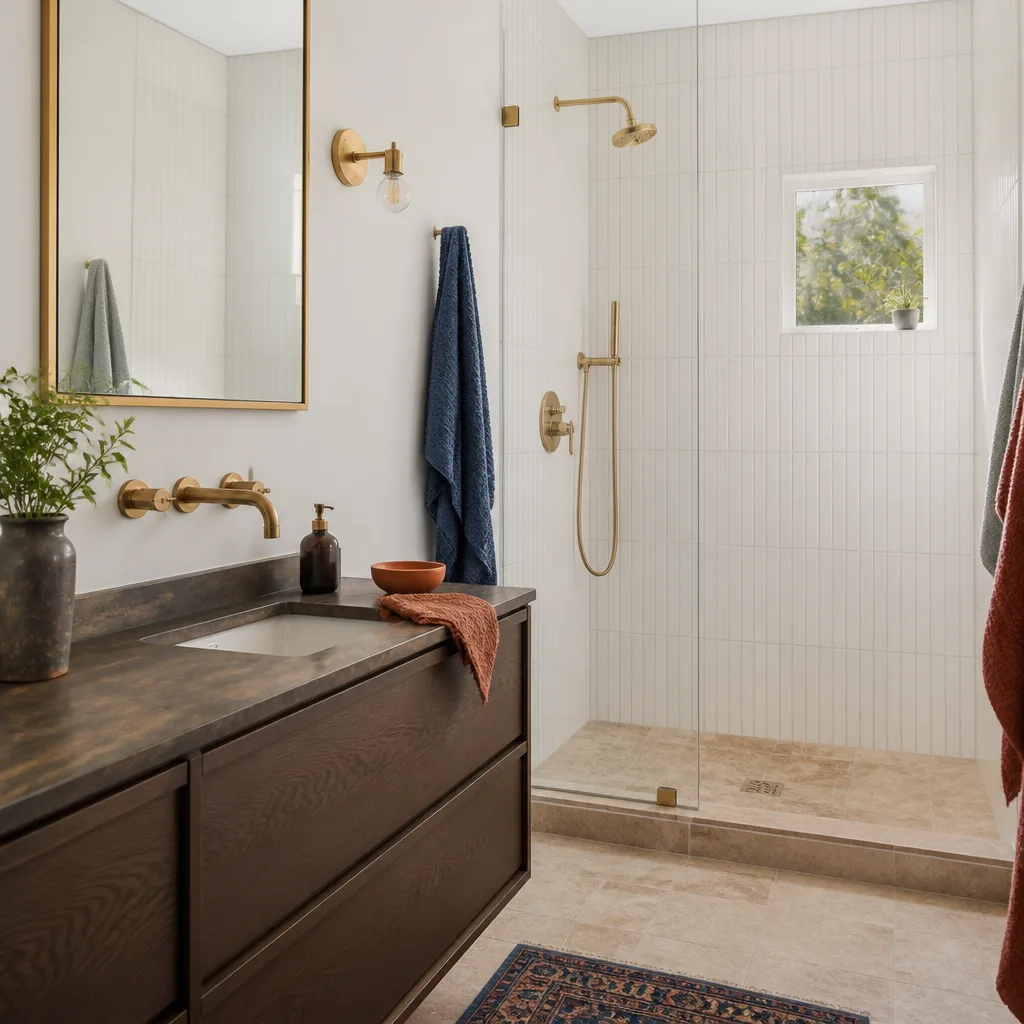
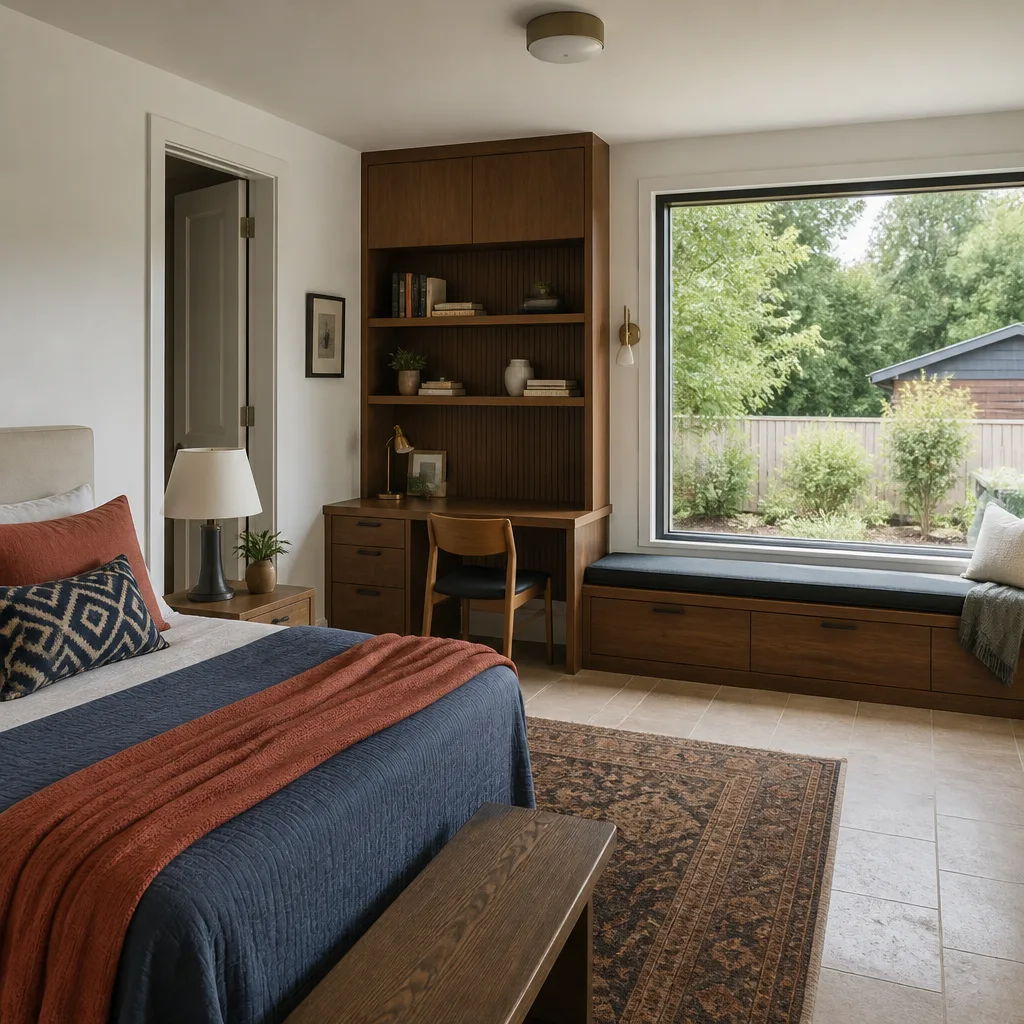
High-end Stanford additions usually include quarter-sawn oak cabinetry, thermally broken steel windows, custom European hardware, and architectural glass. These are not stock items. We lock the allowances in writing before any work starts, so the price you approve covers the materials the design review board will actually require.
Modular Home Addition in Stanford
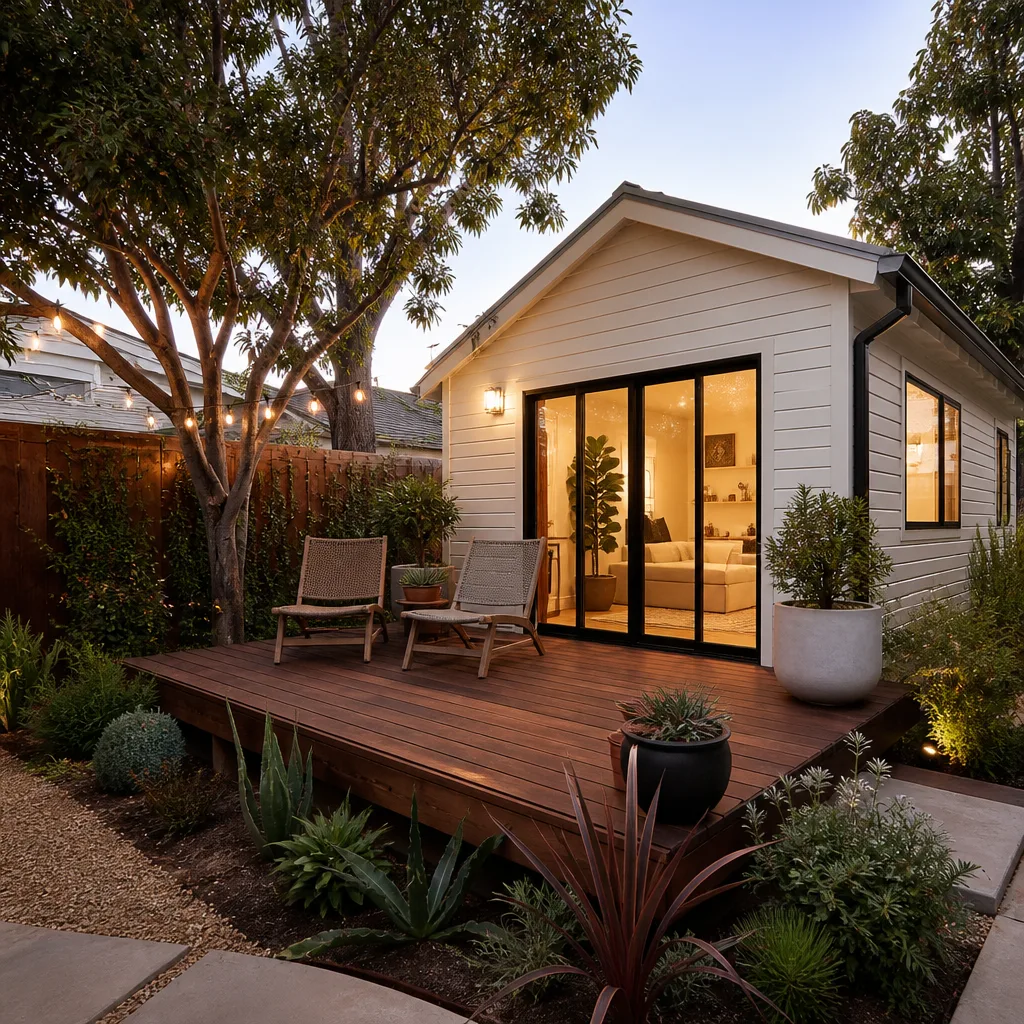
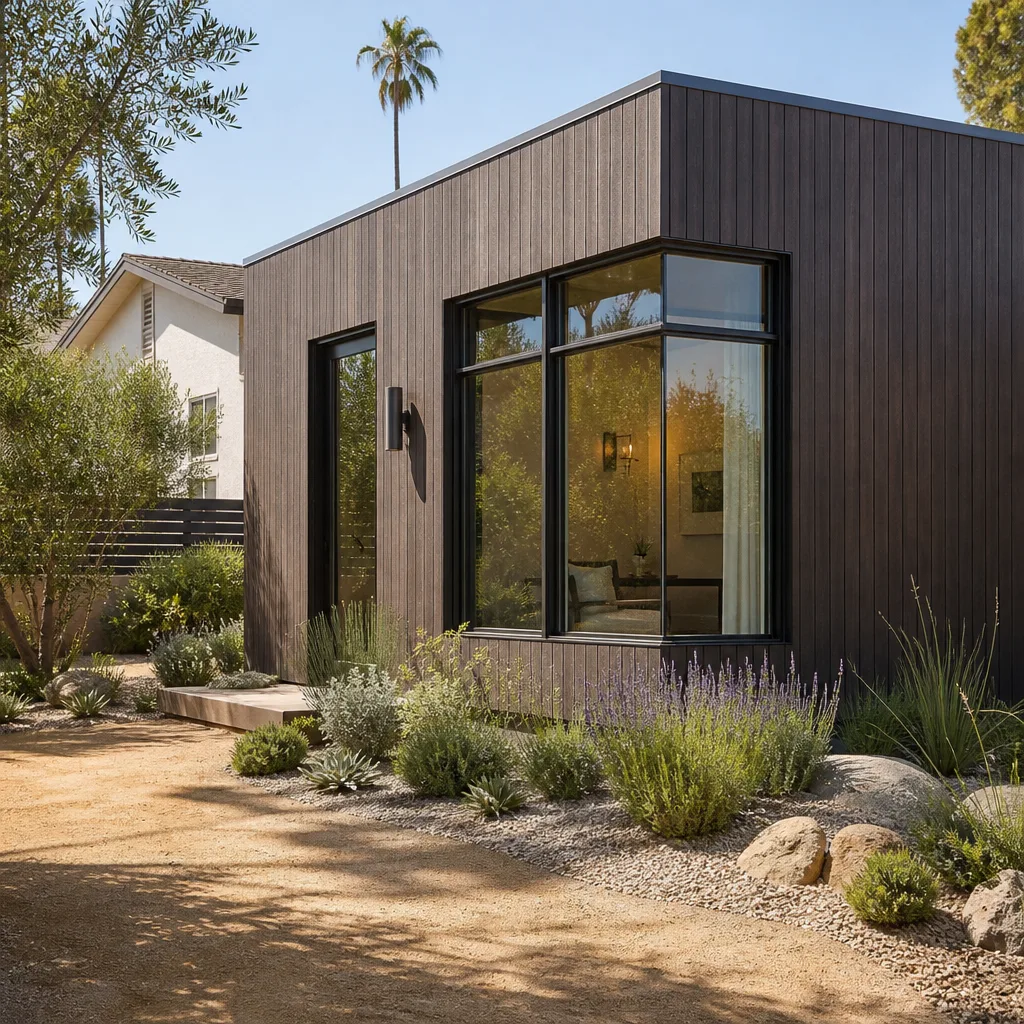
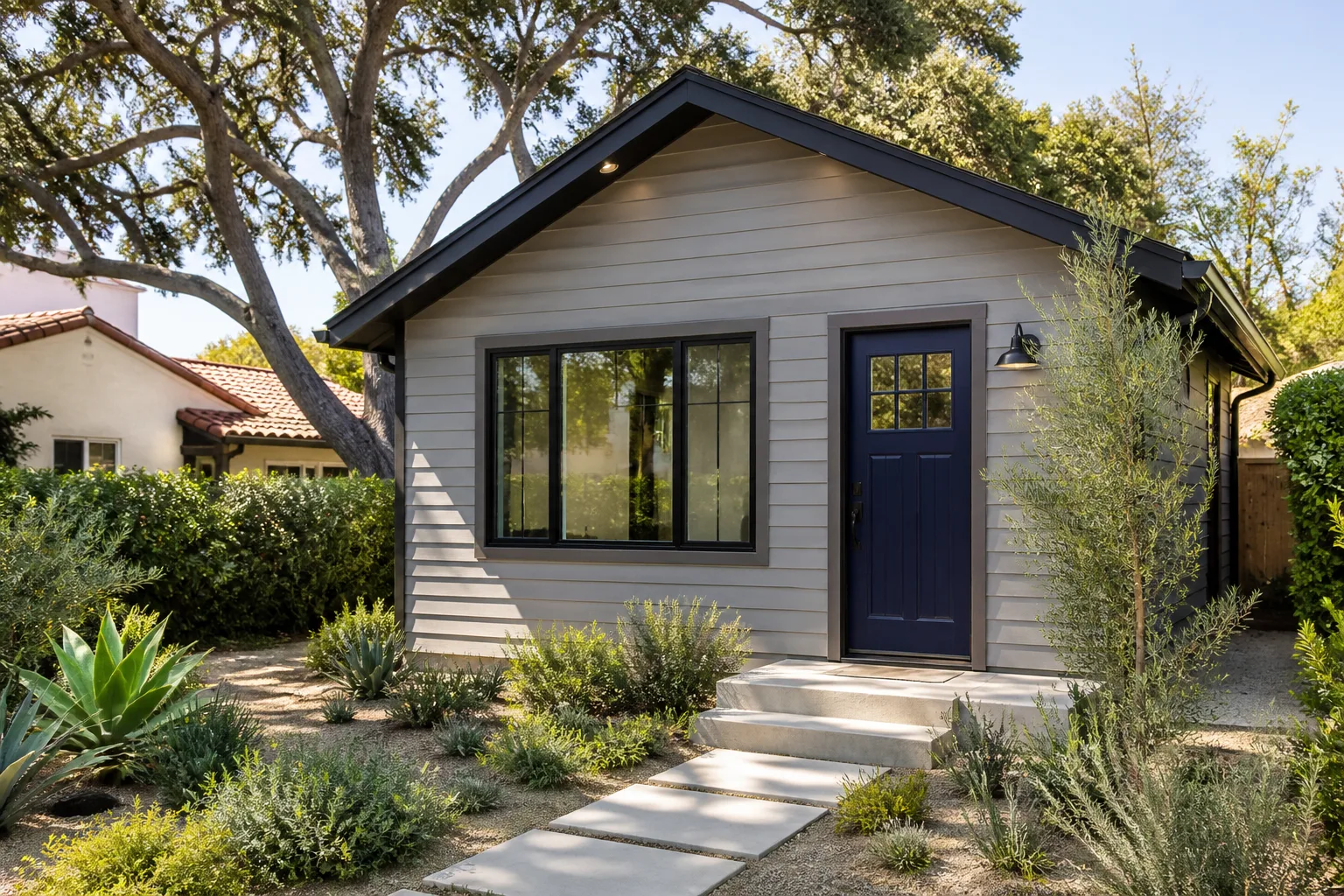
Modular Home Addition in Stanford can work well on lots where site access is tight or where a faster construction calendar matters, but SC zoning and faculty covenants still apply. A modular addition does not bypass design review. It changes the fabrication location, not the approval path. Modular additions in Stanford typically run $220 – $380 per square foot depending on the platform, finishes, and site preparation, before permit and design review fees. We work with Abodu and Cover for panelized and modular systems, and we coordinate the crane, the site work, and the utility connections when the modules arrive.
Prefab Platforms and Site Coordination
Working with Abodu or Cover means the module is built in a controlled factory environment while site work proceeds in parallel. That can cut several weeks off the calendar, but it also requires precise coordination between the factory drawings, the foundation, and the Stanford design review conditions. We manage that interface. The written price covers site prep, utilities, module setting, and finish work, so there’s no open-ended allowance hiding in the contract.
Utility Capacity and Setbacks
Some Stanford lots have older electrical panels and sewer laterals that need upgrades before a modular addition can be connected. We flag those costs in the written estimate before work starts. And because faculty housing covenants sometimes require deeper rear-yard or side-yard setbacks than state law would allow, we verify the specific setback requirements for your lot before any drawings go to design review.
Trusted Brands We Service in Stanford
Stanford homeowners tend to research their options thoroughly, and they come to us already familiar with names like Abodu, Cover, Tuff Shed, and James Hardie. We work with all four. For conventional additions, James Hardie siding gives you a fire-resistant exterior that handles Stanford’s wet winters and dry summers without warp or rot. For prefab and modular work, Abodu and Cover offer panelized and factory-built options that shorten on-site time. And for accessory structures or workspace additions, Tuff Shed structures can be finished to match the main house. We stock the common trim, flashing, and hardware these systems require, which keeps Stanford projects moving without waiting on supply-house deliveries from across the Bay.
Common Room Addition Contractor Problems We See in Stanford Homes
- Change orders after design review forces higher-end materials. A contractor prices the job on rough square-footage cost without a fixed allowance for architectural glass, specialty hardware, or custom millwork. Then design review requires specific materials, and the owner gets a change order. We put those allowances in writing before any work starts.
- Wrong setback assumptions make the addition non-conforming. A crew assumes standard Santa Clara County setback rules apply, but the lot falls within an SC zoning district or faculty housing covenant that requires a deeper rear-yard or side-yard setback. The planned footprint doesn’t conform, and the drawings have to be redone. We check the specific district rules for your parcel first.
- Long-lead items stall the finish phase. A subcontractor orders cabinetry or windows only after rough framing passes, then discovers the custom European hardware or thermally broken steel windows carry 16 – 20 week lead times. The project sits empty for months. We order long-lead materials at the right point in the calendar, often before framing even begins.
- Fire-resistant materials get skipped on older homes. Stanford’s wildfire-adjacent hills and drought cycles make fire-resistant materials prudent even when the main house predates current codes. A contractor who specs standard materials to save money leaves the addition more vulnerable than it should be. We recommend James Hardie siding and fire-rated assemblies as a matter of course on hillside-adjacent lots.
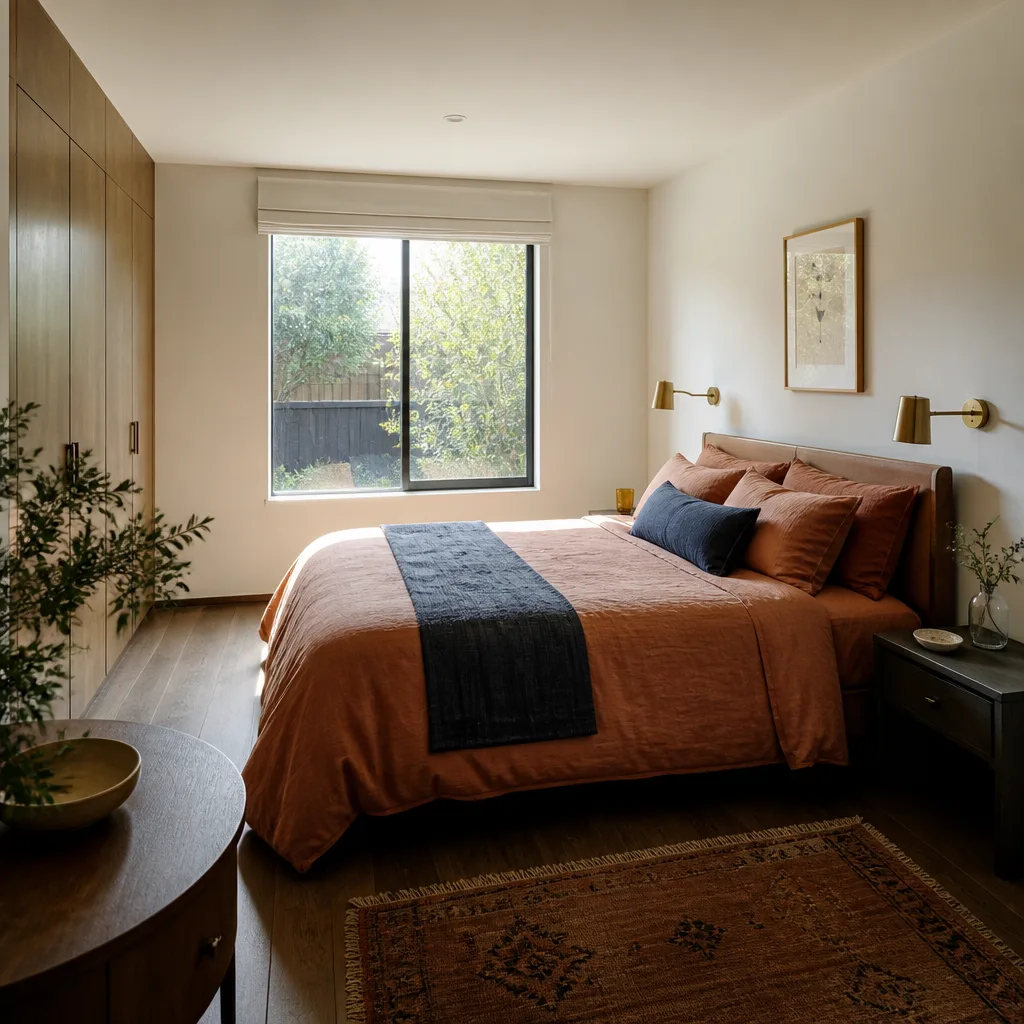
On a mid-century modern home off Junipero Serra Boulevard, our crew executed a master-suite addition with quarter-sawn white oak cabinetry and a custom steel-and-glass partition wall coordinated with the owner’s architect. Because the lot fell within an SC district with facade review, we locked material selections and millwork shop drawings before ordering the long-lead glass, keeping the entitlement calendar and fabrication lead time in sync. The whole addition moved through design review and construction without a single change order.
Pricing for Room Addition Contractor in Stanford, CA
A conventional room addition in Stanford typically runs $285 – $475 per square foot, before permit fees, design review costs, and architect fees. Modular additions using Abodu or Cover systems run $220 – $380 per square foot depending on finishes and site work. Custom high-end work with architectural glass, specialty millwork, and designer finishes can reach $600+ per square foot.
What drives the number in Stanford specifically is the design review process. SC zoning districts and faculty housing covenants can require higher-end materials, deeper setbacks, and facade conditions that a standard county project never faces. We account for those costs in the written price up front. The price you approve on day one is the number on the final invoice. No change orders because we failed to read the district rules. Call (669) 201-3984 for a free estimate, and we’ll give you a line-item price in writing.
The Garrison Standard covers workmanship defects for 365 days. If something fails inside that year, we come back and make it right at no charge. That guarantee is spelled out on paper, not promised in a handshake.
We Also Serve Cities Near Stanford
Our room addition crews serve the whole mid-Peninsula and South Bay. If you’re in Menlo Park, Sunnyvale, Newark, or Santa Clara, we bring the same written-price-first approach and the same Stanford standard of design review fluency to your project. Each city has its own planning quirks, and we read those rules before we write your estimate.
Serving Stanford, CA - Our Local Coverage Area
We’re based in the Stanford area and know this community well. Use the map below to see our service coverage - if you’re nearby, we can almost certainly help.
FAQs About Room Addition Contractor in Stanford
Stanford’s SC zoning districts and faculty housing covenants can override state ADU law by requiring discretionary design review, historic-preservation conditions, and deeper setbacks that a by-right project elsewhere would not face. In Menlo Park or Santa Clara, a standard ADU addition might qualify for ministerial approval. On many Stanford lots, the same footprint triggers facade review, material conditions, and a longer approval calendar. We verify which district applies to your parcel before any drawings are submitted, and we build the review timeline into your project schedule. Call (669) 201-3984 and we’ll check your specific lot.
Custom European hardware, thermally broken steel windows, architectural glass, and quarter-sawn oak millwork typically carry 16 – 20 week lead times on high-end Stanford additions. That’s longer than the framing and rough-in phases combined on many projects. We lock material selections and shop drawings early, often before rough framing passes, and the written price includes those long-lead allowances so the calendar doesn’t stall in the finish phase. Call (669) 201-3984 for a schedule that reflects real lead times, not optimistic guesses.
Yes, and that’s exactly the standard faculty housing covenants and design review boards expect. On faculty-owned Stanford properties, the review process typically requires the addition to read as an extension of the original home, not a separate structure bolted on. We match rooflines, window proportions, siding materials, and trim details to the existing house, and we coordinate with your architect early enough that material choices serve both the design review conditions and your budget. Call (669) 201-3984 to walk through what your faculty housing covenant specifically requires.
We write the material allowances, fixture specifications, and millwork scope into the contract before ordering begins. For custom finishes like architectural glass or specialty hardware, the written price includes a fixed allowance tied to the specific products the design review board has approved. The price goes in writing before any work starts, and the number you approve on day one is the number on the final invoice. We don’t order long-lead items until the allowance is locked, so there’s no open-ended exposure for you. Call (669) 201-3984 for a line-item estimate.
Yes. Stanford’s wildfire-adjacent hills and drought cycles make fire-resistant materials prudent on any new addition, even when the existing house predates current fire codes. James Hardie siding, fire-rated wall assemblies, and ember-resistant venting are standard recommendations on hillside-adjacent lots. The design review board may not force these upgrades in every case, but they’re the right call on this terrain, and we price them into the estimate from the start rather than springing them as a change order later. Call (669) 201-3984 to discuss what your lot actually needs.
Written by Reed Calloway, Owner at Fielding ADU San Jose. Serving Stanford homeowners with written-price-first room additions, modular additions, and design-review navigation.
Call (669) 201-3984 to schedule your free estimate. A live person answers, 24 hours a day, 7 days a week.