Plant Prefab Site Prep & Utilities: The San Jose Owner’s Guide
Site prep and utility work for a Plant Prefab unit in San Jose typically runs $18,000 to $45,000 before permit fees, depending on what your lot already has underground and how far the unit sits from existing connections. We stock the common trenching, conduit, and utility connection hardware on our trucks, so most prep jobs in San Jose neighborhoods like Willow Glen and Cambrian get started within a week of permit approval. Owners usually call us after their unit delivery date gets scheduled, then realize the gas, water, sewer, and electrical laterals were never run to the pad location.
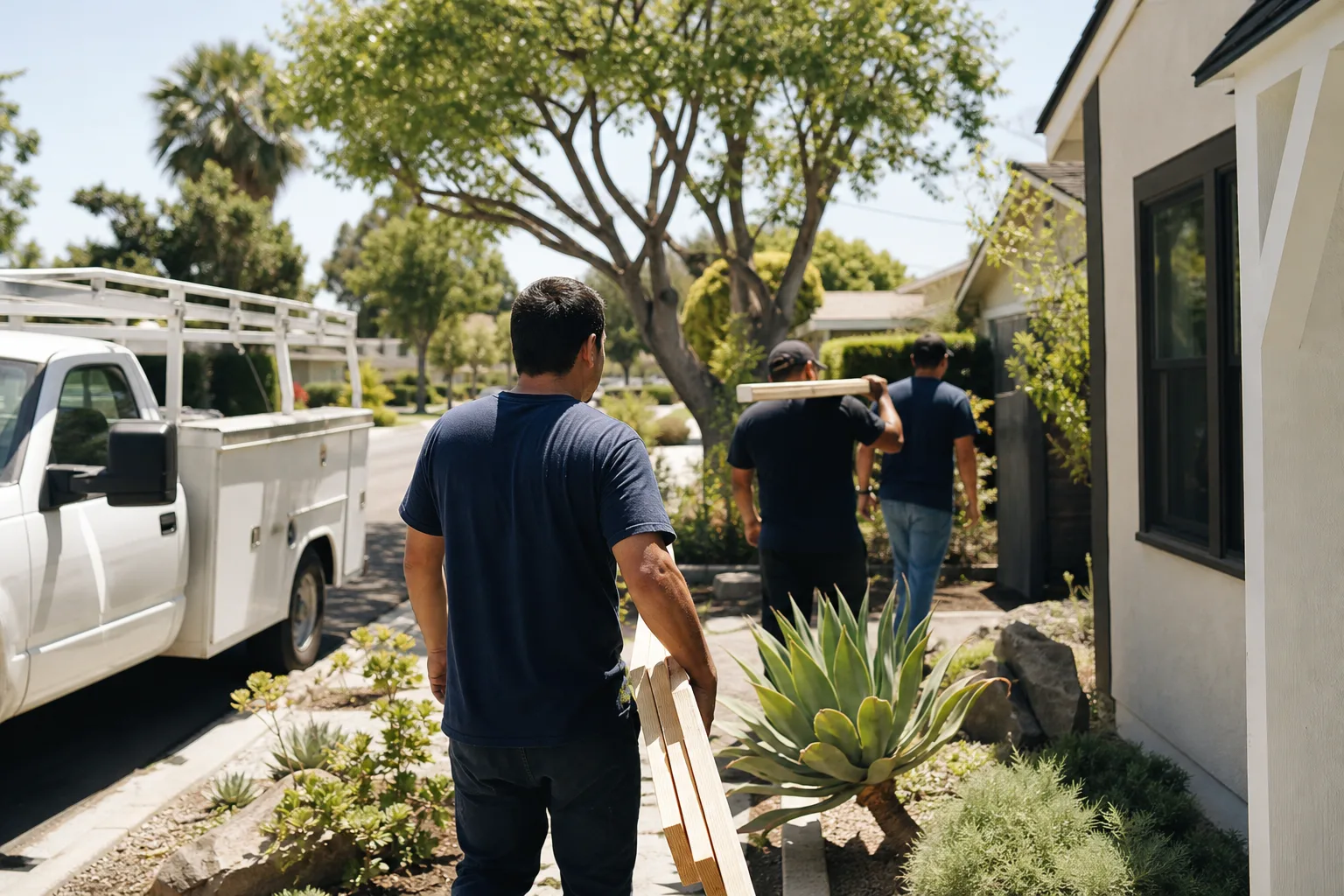
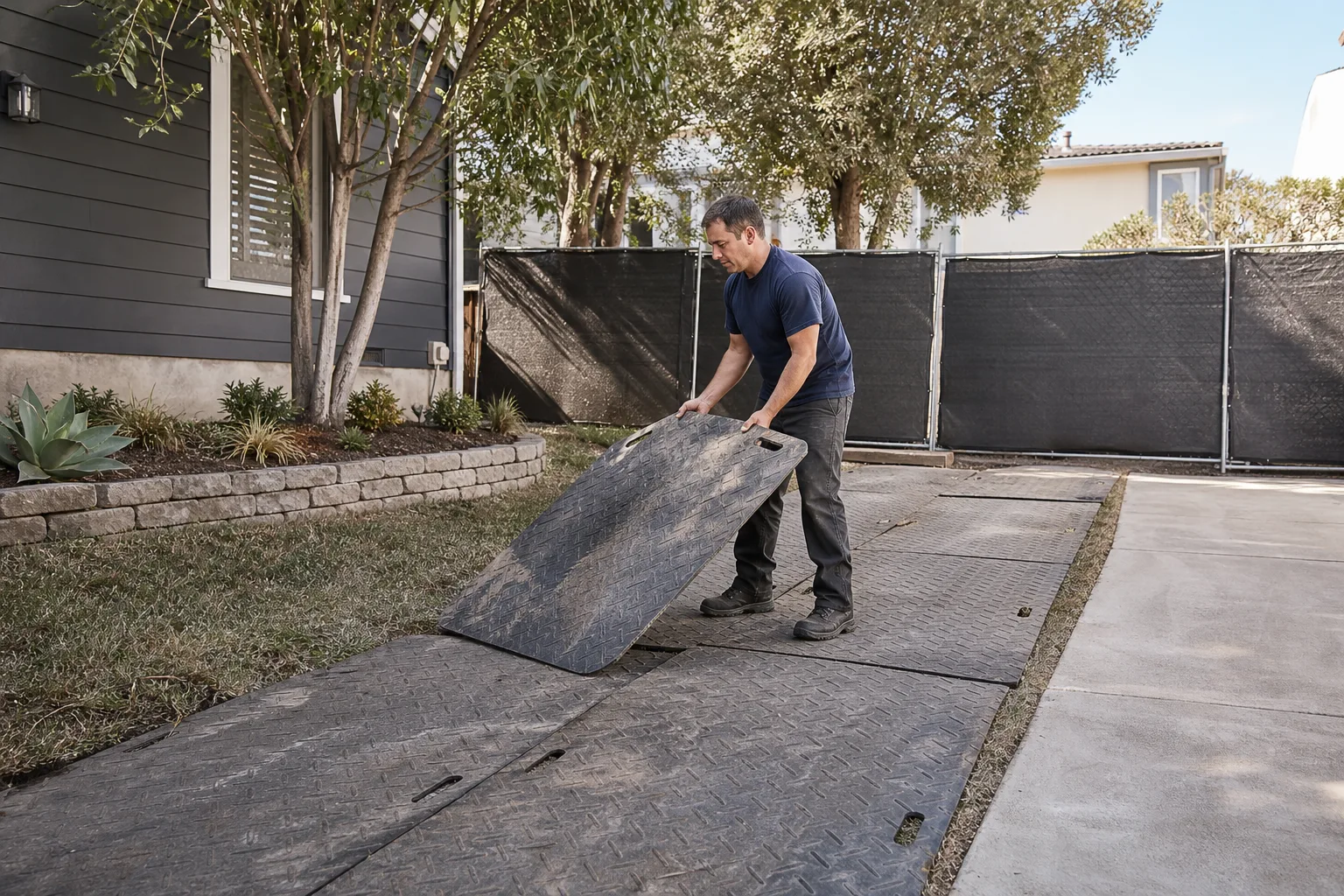
Once that delivery date is on the calendar, the clock starts. The unit shows up on a truck whether or not your trench is open. We handle the full sequence: demolition of whatever is in the way, pad grading and compaction, trenching, utility stubs, backfill, and the final connections after Plant Prefab sets the unit. Fielding ADU San Jose is an independent service provider, not affiliated with Plant Prefab, which means we answer to you, not a factory schedule.
Which Plant Prefab Models This Applies To
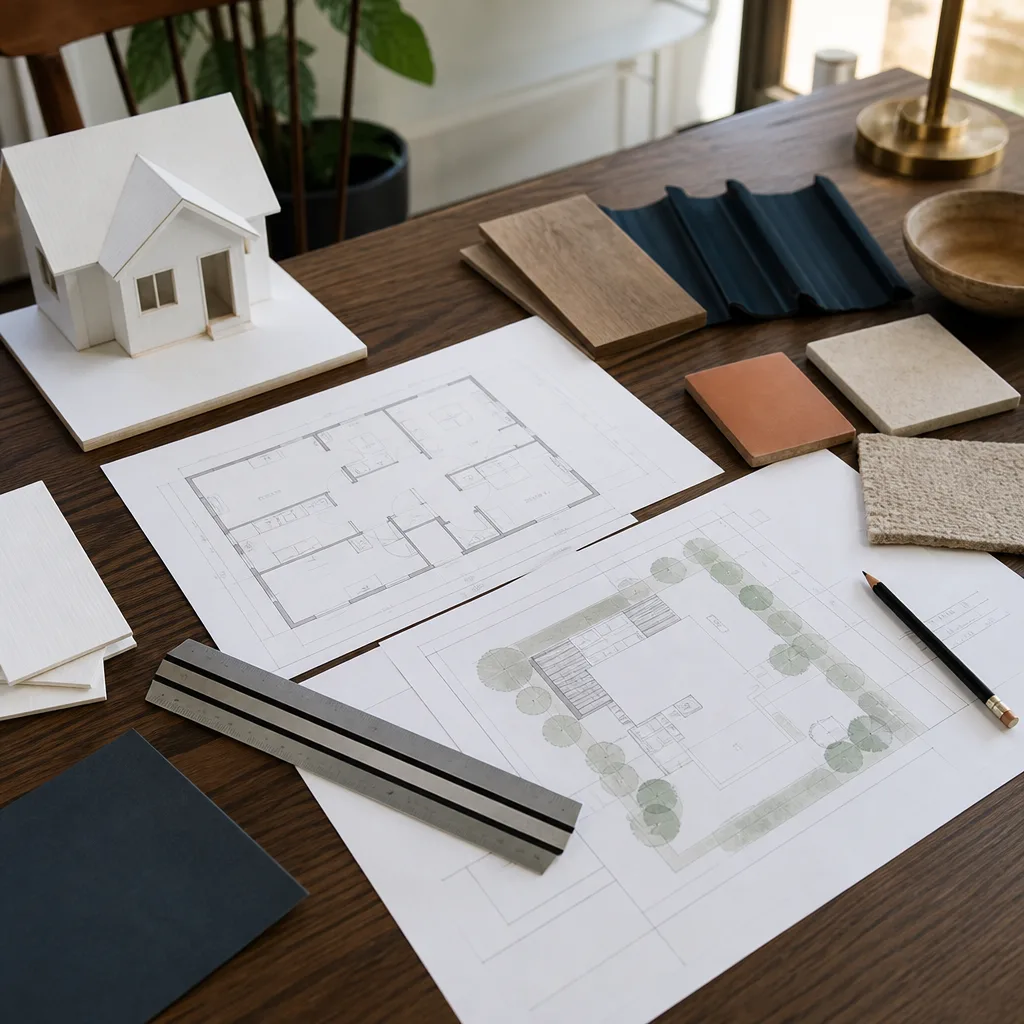
Plant Prefab builds panels and modules under several product lines, and the site work below the unit is largely the same across all of them. Whether you have a Plant Prefab custom home, an ADU from their LivingHome series, or a multi-module build, the parts that fail or get missed are the same: under-slab rough-ins, sewer laterals, water service, gas lines, and the electrical feeder from your main panel to the unit’s subpanel.
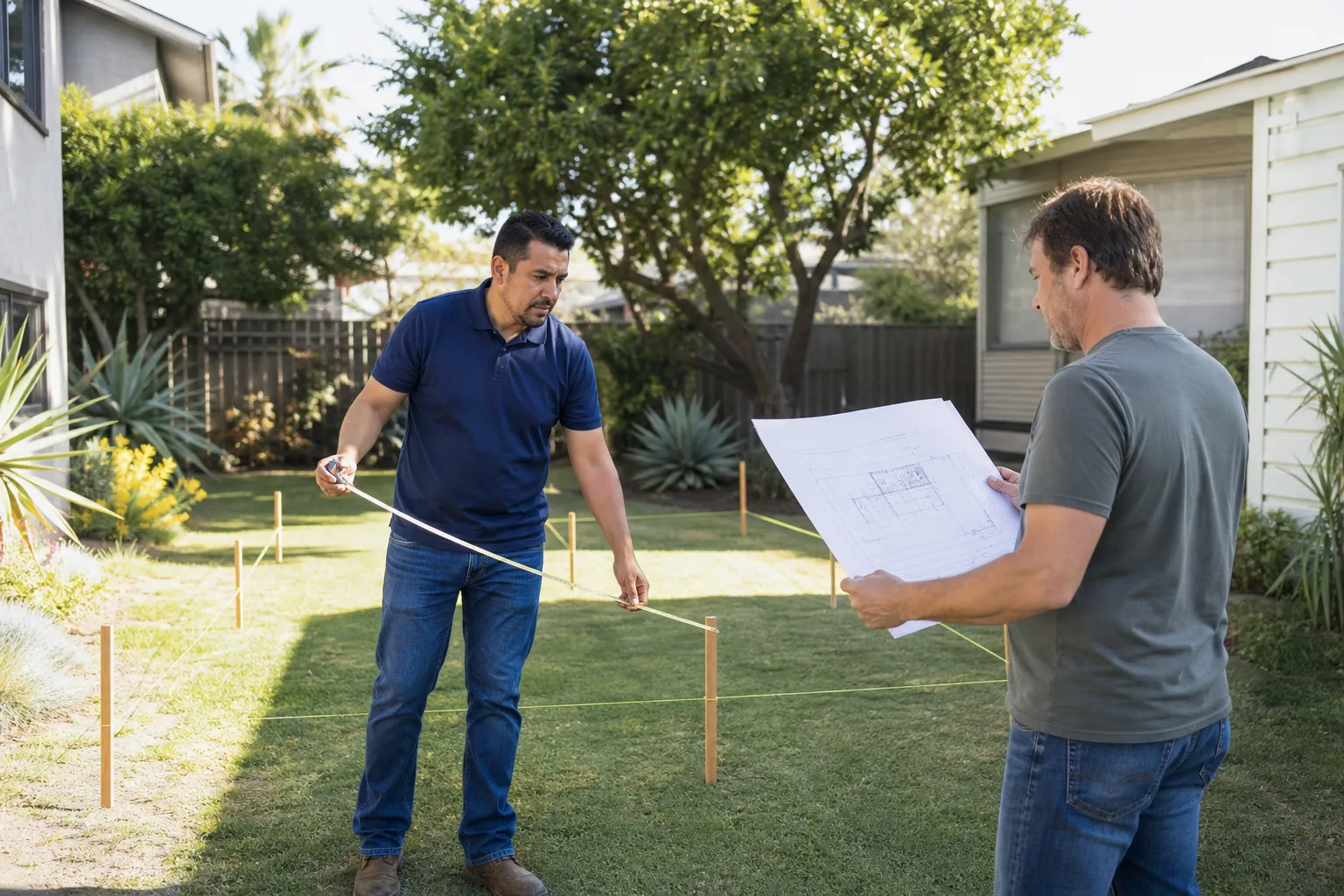
The Plant Prefab-specific gotcha is clearance. Their modules arrive on a truck and get craned into place, which means we need to know the exact setback from the street, the crane swing radius, and where the module seams will land before we bury anything. If a sewer stub is 6 inches off from the factory drawing, the plumber is chipping concrete on day one. We pull the Plant Prefab foundation and utility drawings ourselves and verify every stub-out dimension against the physical pad before concrete goes in.
An important distinction: Plant Prefab uses standard residential utility connections, so you are not locked into any proprietary parts for site prep. That means quality OEM-equivalent materials from suppliers like ABB, Eaton, and Charlotte Pipe work fine, and we stock them. The only place a factory-specific part matters is where the module connects to the foundation system, and that hardware ships with the unit, not from a supply house.
Signs Your Plant Prefab Site Prep & Utilities Are Failing
Site prep and utility work fails quietly, then loudly. What we see in San Jose:
- Water ponding at the pad edge after rain. The compacted base has settled or the drainage swale was never cut correctly. San Jose’s clay-heavy soil expands and contracts through wet and dry seasons, and a pad that was fine in August can be holding water by February.
- Low water pressure to the unit. The lateral was sized for a single fixture, not a full dwelling with laundry and a kitchen. Or a crushed PE line from backfill that was dropped on it too fast.
- Sewer odor near the slab or in the unit. A bell joint separated during backfill, or the cleanout was buried below grade and the plumber never found it on final.
- Breaker trips on the feeder to the unit. The underground conduit was undersized for the ampacity, or a fitting pulled apart and water is sitting in the pipe. We run a megger test before we touch anything, because once water is in a conduit, the wire insulation is compromised.
- Gas line hiss or smell of mercaptan near the meter or along the trench line. This is the one that sends you outside and away from the house. A nicked gas lateral from prior landscaping or a bad compression fitting on the riser. Call PG&E first, then us.
Replacement Cost & What’s Included
Real numbers for San Jose, no vague ranges. If the site prep itself failed, meaning pad settlement or drainage, figure $4,000 to $12,000 to re-grade, re-compact, and re-establish positive drainage. Replacing a failed sewer lateral from the unit to the city tap runs $6,500 to $18,000 depending on depth and whether we are trenching through concrete or landscape. A new water service line with meter riser and backflow is $3,500 to $8,500. Replacing an underground electrical feeder is $4,000 to $11,000 by the time we pull new wire, re-pull permits, and repair conduit.
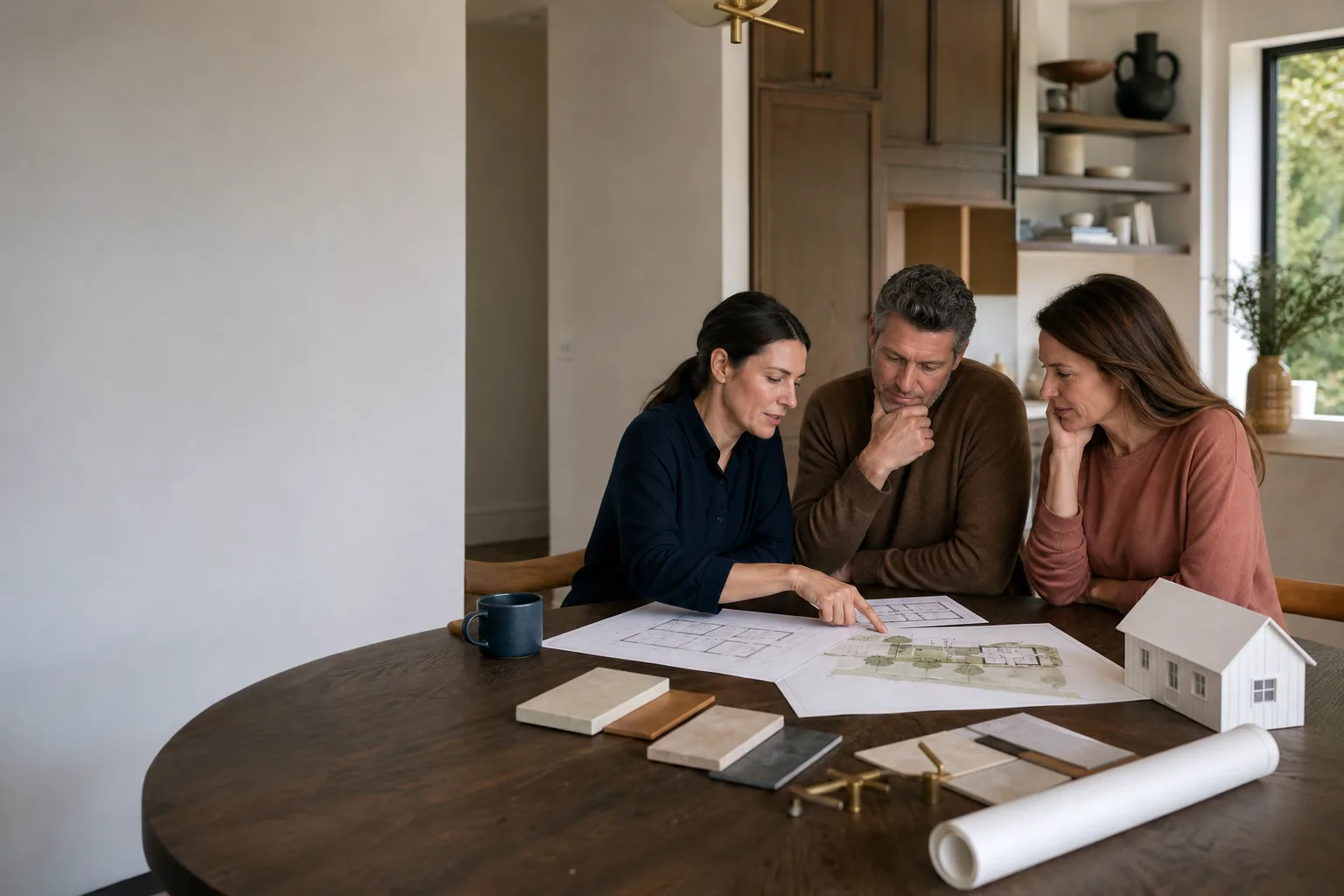
What you get on paper: a written line-item price before we open the ground, the trench left clean and compacted, and the connection tested before we call it done. Every site prep job carries the same written one-year guarantee as every other project we build in San Jose. If a connection we made fails within 365 days, we come back and make it right at no charge. That is the Garrison Standard, and it is not a handshake.
DIY or Call Us?
Here is the honest split. You can check your own lot for obvious problems: walk the pad edge after rain, note where water sits, look for sinkholes or soft spots in the soil, and check whether your cleanouts are visible and capped. That costs you nothing and gives us useful information before we come out.
What you should not do is open a trench over a gas line, dig within 24 inches of a marked utility without hand tools, or try to move a sewer coupling yourself. Gas lines and buried electrical feeders are not forgiving. A shovel through a 240-volt feeder or a cracked gas riser is a life-changing afternoon. We have the equipment, the locates, and the background-checked crew to do this without a hospital visit. If you are unsure whether the prep on your Plant Prefab pad is right, call (669) 201-3984 and we will walk the site with you.
FAQs
Done right, the underground work should outlast the unit above it. A properly compacted pad with good drainage and correctly bedded PVC and PE lines will serve for 50-plus years in San Jose’s climate. The failure point is almost always installation: rushed backfill, unbedded pipe, or a utility trench that was never inspected before cover.
Sometimes. If a sewer lateral has one bad joint near the pad, we can excavate and repair that section rather than replace the full run. If the pad itself has settled, mud-jacking or polyurethane lifting can correct it for $3,000 to $8,000, as long as the subgrade was compacted correctly in the first place. We will tell you which one applies after we see it, and you get that in writing before any work starts.
Most utility replacements in San Jose take 2 to 5 working days from trench to backfill and test. Pad re-grading or full re-compaction can run a week. The wildcard is the city inspection queue and PG&E if gas is involved; we schedule inspections the day we pull the permit and book the PG&E work order the same week.
We stock the common parts on our trucks: schedule 40 PVC in 3-inch and 4-inch, PE water line in 1-inch and 1.5-inch, conduit sweeps, pull boxes, meter risers, and backflow devices. Anything unusual for a Plant Prefab module connection is ordered from our San Jose suppliers same-week. Abodu, Cover, and Dvele units use the same underground standard, so the inventory carries over.
If you have a Plant Prefab unit scheduled for delivery or a pad that is already failing, call (669) 201-3984 for a free site walk and a written price. Reed Calloway put it plainly: put it in writing, show up on time, build it right. That is how every job starts, including yours.
Written by Reed Calloway, Owner, Fielding ADU San Jose at Fielding ADU San Jose, serving San Jose and nearby areas.