James Hardie Site Prep & Utilities: The San Jose Owner’s Guide
We stock and install James Hardie-compatible site prep and utility components throughout San Jose, with typical installed pricing running $450 – $1,850 depending on what failed and what your lot demands. Most owners discover a problem the same way: a corner of siding won’t sit flush, a meter block is pulling away from the studs, or a drip edge has quietly rotted the trim behind it. Reed Calloway and our crew carry the common James Hardie utility parts on the truck, so a single visit usually gets the diagnosis and the fix done.
Fielding ADU San Jose is an independent service provider. We are not affiliated with James Hardie. We work with HardiePlank, HardiePanel, and HardieTrim products every week, and we know which site prep failures show up first in San Jose’s dry summers and wet winters.
Key takeaways:
- Most James Hardie site prep and utility failures in San Jose trace to water intrusion at flashing or trim, not the siding itself
- Installed replacement of a failed utility component (meter block, Z-flashing, drip edge, weather barrier underlap, or corner trim) runs $450 – $1,850 in San Jose
- Free estimate with the part identified, the fix described, and the price in writing before work starts
- Call (669) 201-3984 and a live person answers, day or night
Which James Hardie Models This Applies To
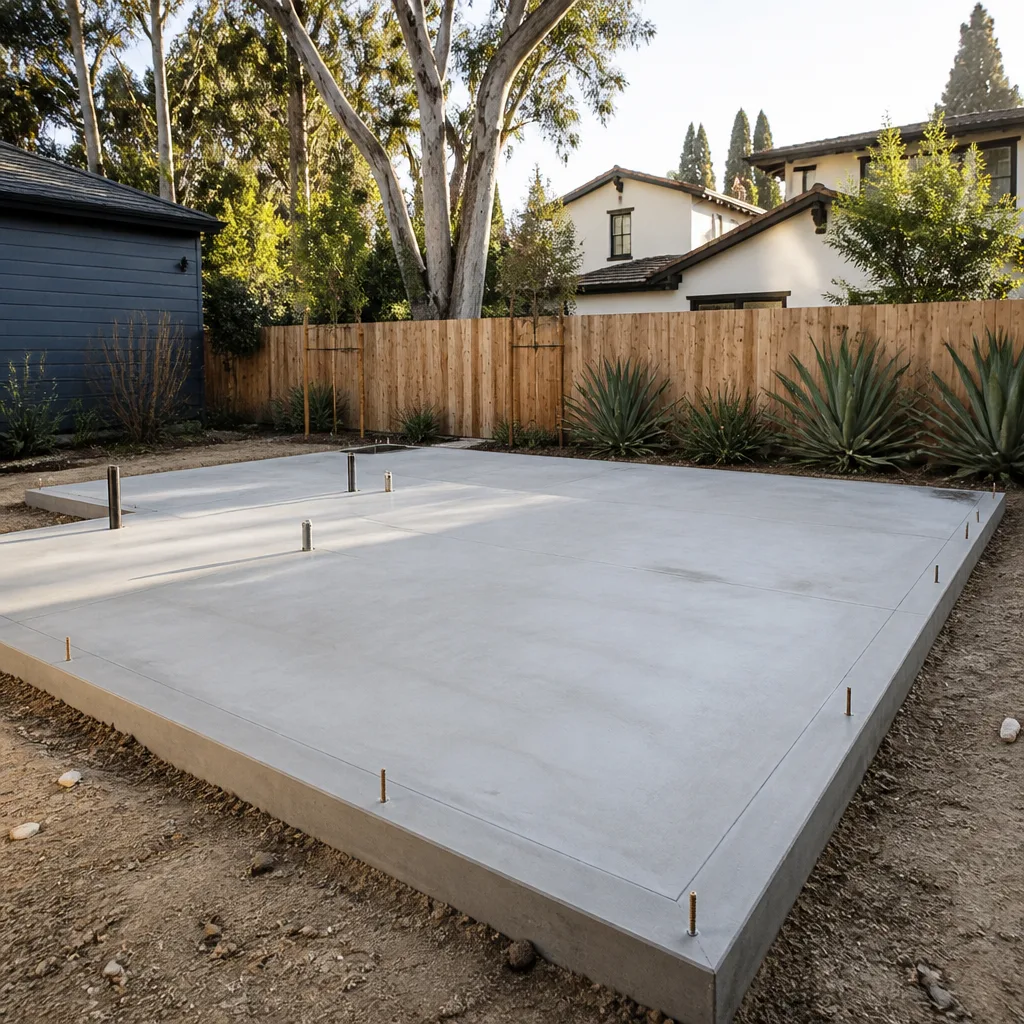
The site prep and utility parts we handle apply to the full James Hardie siding line common in San Jose: HardiePlank lap siding (5/4 in. and 8-1/4 in. exposures), HardiePanel vertical siding, HardieTrim boards, and HardieSoffit. The utility components are the same family whether the siding went on a new ADU, a garage conversion, or a room addition.
Here’s the gotcha most San Jose homeowners run into: James Hardie’s installation specs require specific clearance and flashing details that differ by product line. A HardiePanel butt joint needs a 3/8 in. gap and a joint flashing strip behind it. HardiePlank requires a 1/8 in. gap at trim and flashing that laps the course below. If the original installer skipped the joint flashing or butted panels tight, water gets behind the siding and takes out the weather barrier, the trim, or the meter block over two or three rainy seasons. You can identify the right part by checking the printed code on the back of a removed piece or on the cut edge of trim. The stamp tells you the plant, the production line, and the date. If you can’t read it, one of our technicians can match the profile by eye and measurement.
OEM versus aftermarket matters less for utility components than for the siding itself. The utility parts are mostly stock aluminum or galvanized flashing, PVC trim accessories, and standard weather-resistive barrier products. What matters is that the gauge, profile, and overlap match James Hardie’s published installation requirements. We use full-weight flashing, not the thin box-store coil stock that kinks and fails early. Your HOA or your permit history may also specify a certain trim profile, and we match it exactly.
Signs Your James Hardie Site Prep & Utilities Is Failing
- Water staining at the bottom edge of the siding or trim. This usually means the kickout flashing at a roof-wall intersection is missing or short. Water runs down the wall instead of out into the gutter, and the bottom course stays wet long enough to stain.
- Trim pulling away from the wall at corners or around windows. The fasteners have lost their bite in rotted sheathing or the original nails were overdriven. Once the trim moves, water has a straight path behind the siding.
- Meter block or exterior outlet block loose against the HardiePanel. The block was surface-mounted without proper backing or flashing. In San Jose, the wet-dry cycle works the fasteners loose over a few seasons, and eventually the whole block sags.
- Siding that won’t sit flat after re-nailing. The weather-resistive barrier behind it has torn, wrinkled, or rotted. Hardie siding is stiff; if the substrate is bad, the board will show the problem at every fastener.
- Damp smell inside the wall or visible mold on the sheathing at the bottom plate. This is the late-stage signal. A drip edge or Z-flashing failed long ago, and the wall cavity has been collecting moisture ever since.
Replacement Cost & What’s Included
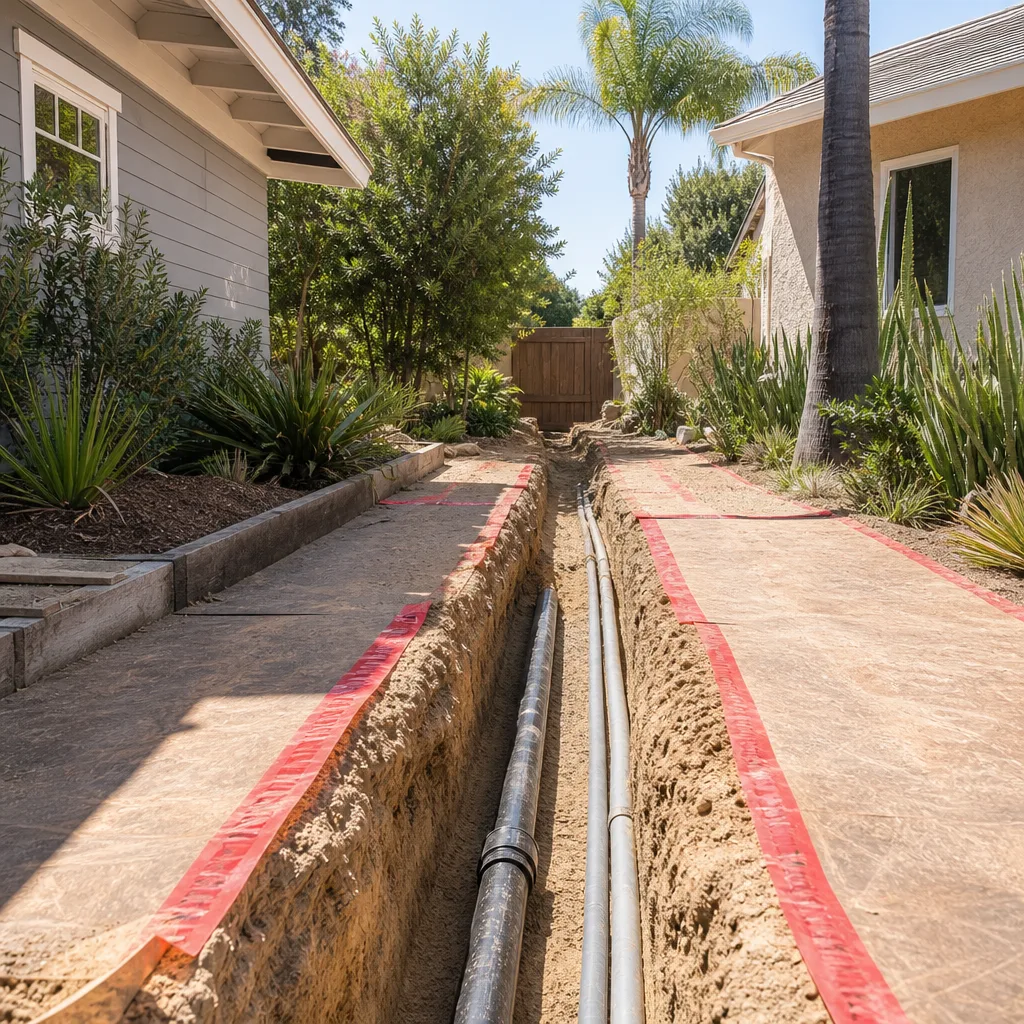
In San Jose, an installed site prep or utility replacement on a James Hardie-clad structure runs $450 to $1,850. A simple drip cap replacement around one window is the low end. A full meter block rebuild with new flashing, partial weather-barrier replacement, and HardieTrim repair threads the upper end. If the water damage extends into the sheathing or framing, the range moves up, and we’ll show you exactly why before any work starts.
What drives the range:
- How much of the surrounding siding and trim must come off to do the repair properly
- Whether the weather-resistive barrier behind the siding needs a patch or a full section replacement
- Access height, scaffold time, and whether the meter or utility connections need coordination with the utility company
Every price is written before work starts. The number you approve is the number on the final invoice. The replacement labor carries the 365-Day Done Right Promise: if the fix fails inside one year, we return at no charge and correct it. That is the Garrison Standard, and it is on paper.
DIY or Call Us?
You can safely inspect the visible symptoms: look for gaps at trim joints, check whether the drip caps extend past the window casing, and feel for loose meter block fasteners with a light push. None of that requires tools, and it helps us quote faster when you call.
What you shouldn’t do is pull off siding, remove flashing, or cut into the weather barrier without knowing what’s behind it. The risk isn’t just a bad patch. Improperly reinstalled flashing around a meter block can direct water into your wall cavity, and water in a wall cavity is the slowest, most expensive problem to undo in a San Jose home. If the failing part touches electrical meter gear, leave it to a pro and call the utility if you see exposed wiring. Call (669) 201-3984. We’ll identify the part, write the price, and fix it right.
FAQs
Properly installed flashing, trim, and weather barrier should last 20 to 30 years in San Jose’s climate, though galvanized drip caps and kickout flashing often need attention at the 10-to-15-year mark where sprinklers hit them repeatedly. The siding itself can last 50 years, but the utility components behind it fail on a shorter clock. If yours is failing early, the original install detail is usually the culprit, not the material. Call (669) 201-3984 and we’ll tell you what you’re actually looking at.
Sometimes a flashing piece can be straightened, resealed, and re-fastened if the metal is still sound and the substrate is dry. Trim with water damage at the fastener points usually can’t be saved. We’ll tell you which one you have, and we will not sell you a full replacement when a repair is honest work.
Most single-component utility replacements take half a day to one full day on site, depending on how much siding we must remove to access the failed piece and how much dry-time the wall cavity needs. If we find framing damage, that adds a second day. We give you the timeline in the written estimate.
We stock the common flashings, drip caps, kickout flashings, trim boards, and weather barrier products on the truck, and we can match HardiePlank, HardiePanel, and HardieTrim profiles from our San Jose supplier network same week. For Abodu, Cover, and Dvele platform builds, we carry the specific utility details those systems spec. Call (669) 201-3984 with your part or symptom and we’ll tell you if it’s a same-visit fix.
Written by Reed Calloway, Owner, Fielding ADU San Jose at Fielding ADU San Jose, serving San Jose and nearby areas.