HOA & Zoning Compliance in San Jose, CA
HOA and zoning compliance in San Jose means making sure your ADU or room addition meets both the city’s planning rules and your homeowners association’s CC&Rs before you spend a dollar on construction. For most San Jose homeowners, that means two parallel tracks: city zoning review (setbacks, height limits, lot coverage, parking requirements) and HOA architectural approval (design standards, materials, construction hours). Fielding ADU San Jose handles both tracks as part of our broader ADU Design & Permitting in San Jose work, so you’re not juggling two sets of paperwork on your own. Call (669) 201-3984 if you want a straight read on what your property can legally support.
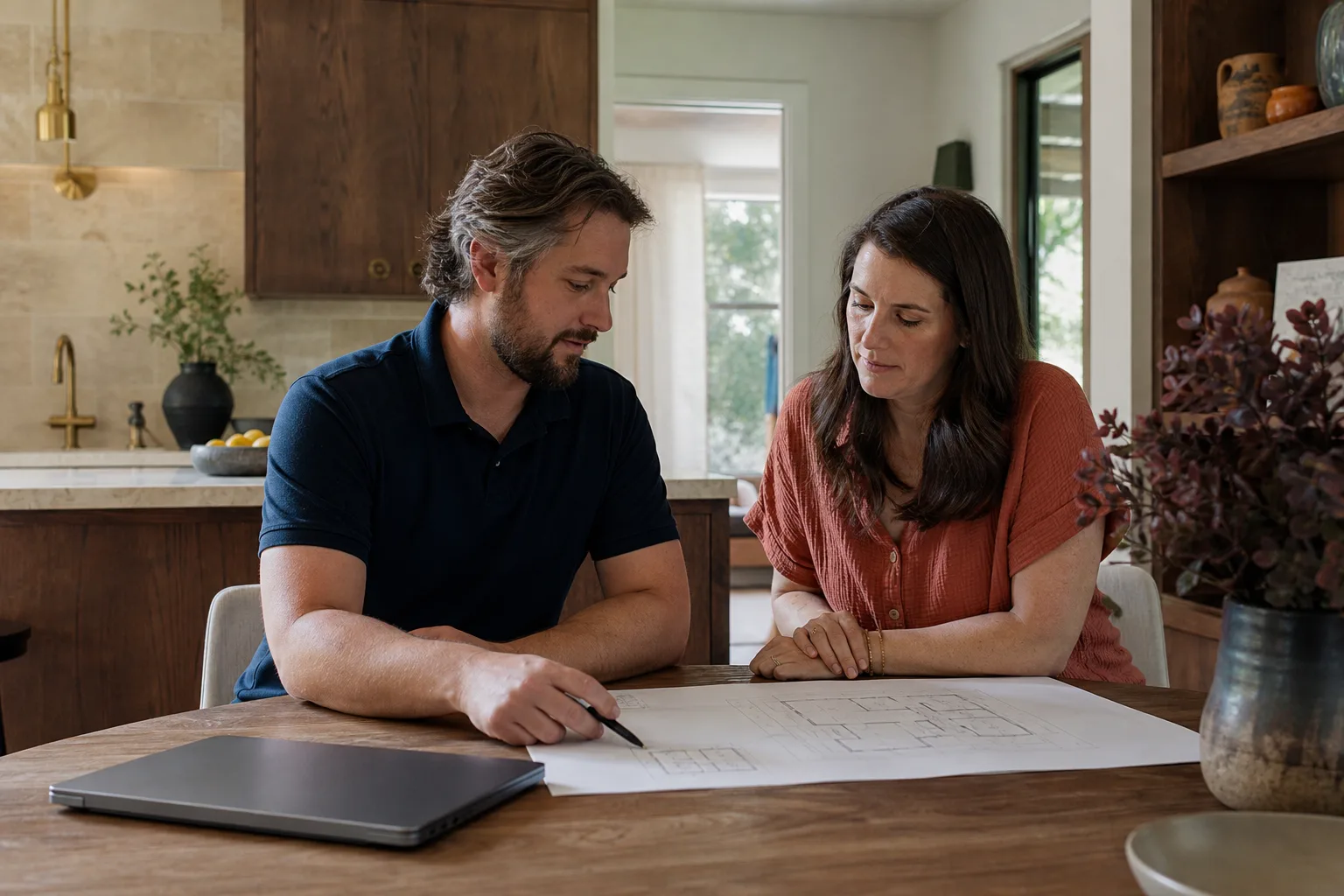
What HOA & Zoning Compliance Actually Involves in San Jose
San Jose’s zoning code and your HOA’s rulebook are two different animals. The city cares about setbacks, height, lot coverage, and parking. Your HOA cares about how the structure looks, what materials you use, and whether the roofline matches the neighborhood. Both have the power to stop your project. A zoning violation gets you a stop-work order from the city. An HOA violation can get you fines, a lien threat, or a construction halt ordered by the association’s attorney. Neither is a phone call you want to receive mid-build.
We’ve seen it happen enough times in San Jose neighborhoods like Willow Glen, Cambrian, and Almaden Valley to know that the compliance work is not busywork. It’s the difference between a permit that gets issued and a permit that gets sent back three times. The city’s current ADU rules are more permissive than they were a decade ago, but “more permissive” doesn’t mean “anything goes.” Setback rules still apply to attached and detached ADUs. Lot coverage limits still matter. And in neighborhoods with hillside ordinances, like parts of the East Foothills, there are additional slope and drainage requirements that flat-lot projects never have to think about.
Here’s the practical way to think about it: zoning compliance is about what the city will allow. HOA compliance is about what your neighbors (through their association) will allow. Both have to line up before we pull permits. Fielding ADU San Jose has been doing this work in San Jose long enough to know which questions to ask first, and which documents matter.
Key Takeaways
- San Jose zoning rules govern setbacks, height, lot coverage, and parking for ADUs and additions.
- HOA approval is a separate gate. City approval does not override your HOA’s architectural requirements.
- Missing HOA approval can mean fines or a construction halt, even with a city-issued permit in hand.
- Fielding ADU San Jose handles both compliance tracks as part of ADU design and permitting. One written price before any work starts.
- Reed Calloway and the team will give you a compliance reality check on the first call: (669) 201-3984.
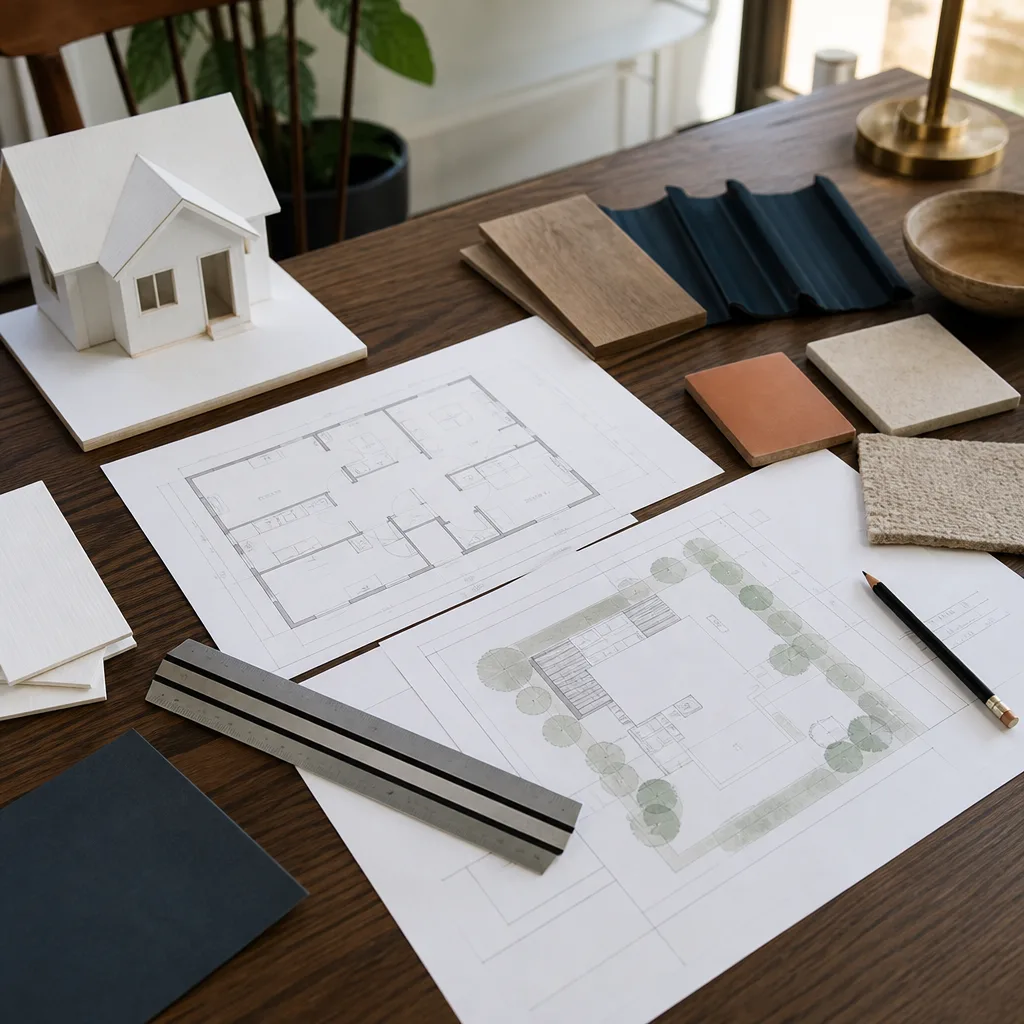
When You Need HOA & Zoning Compliance
Not every ADU project hits a compliance snag. But when one shows up, it shows up in a specific way. Here are the situations we see most often in San Jose:
- You’re in an HOA and you haven’t submitted architectural plans yet. Most HOAs in San Jose require design review before construction begins. Skipping this step is the single fastest way to get a cease-and-desist from your association.
- Your proposed ADU sits closer to the property line than current zoning allows. A setback variance, the city’s written permission to build closer to the line than the standard rule allows, can sometimes be approved, but only with proper documentation and a defensible case.
- Your lot is on a slope. Hillside areas around the East Foothills and parts of Almaden have slope ordinances, drainage rules, and height measurement quirks that flat lots don’t face. Getting the property measured correctly early saves time later.
- Your HOA has design standards that conflict with modern ADU materials. Some associations still write rules around wood siding and composition shingle roofs. If you want a prefab ADU from a builder like Abodu or Plant Prefab, the design package has to be presented in terms the HOA’s architectural committee will accept.
- You’re converting a garage and the city wants a replacement parking plan. San Jose’s ADU rules relaxed parking requirements in many cases, but not all. If your HOA also has parking rules, you need both sets of requirements resolved before the conversion starts.
- Your permit application got returned or flagged for a zoning issue. We do a lot of fix-and-resubmit work for homeowners who tried the DIY permitting route first. Usually the issue is correctable. Sometimes it changes the project scope. Either way, you want to know before you sign a construction contract.
Our HOA & Zoning Compliance Process
We run this work as a defined sequence, not as a vague “we’ll figure it out as we go.” That discipline is part of The Garrison Code: show up in the window, price in writing, by the book, leave it clean, stand behind it for a year. Here’s what it looks like on an HOA and zoning compliance project:
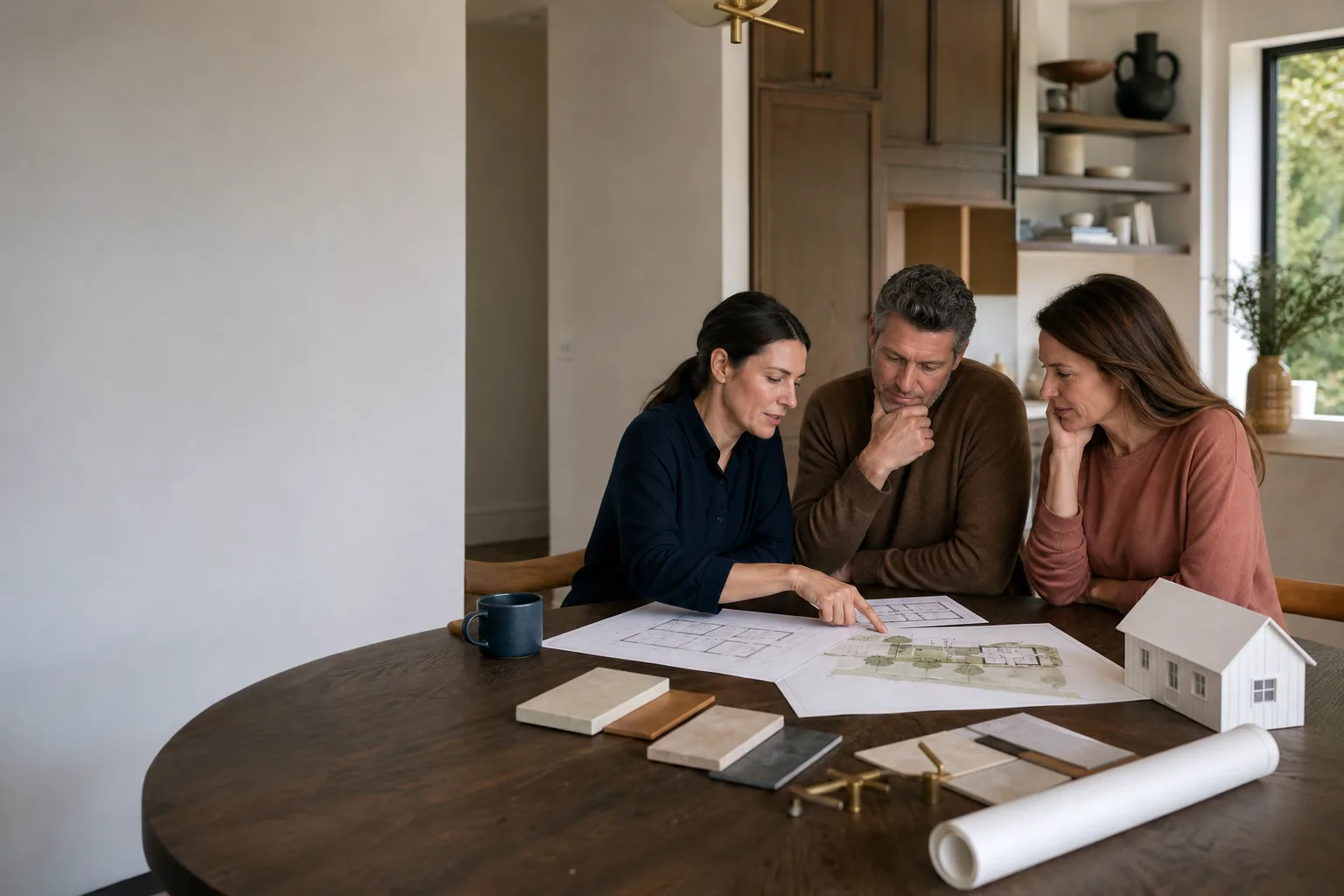
- Property and documentation review. We pull your lot’s zoning designation, check current setback and height allowances, and review your HOA’s CC&Rs and architectural guidelines if you’re in an association. We look for conflicts between the two rule sets right away.
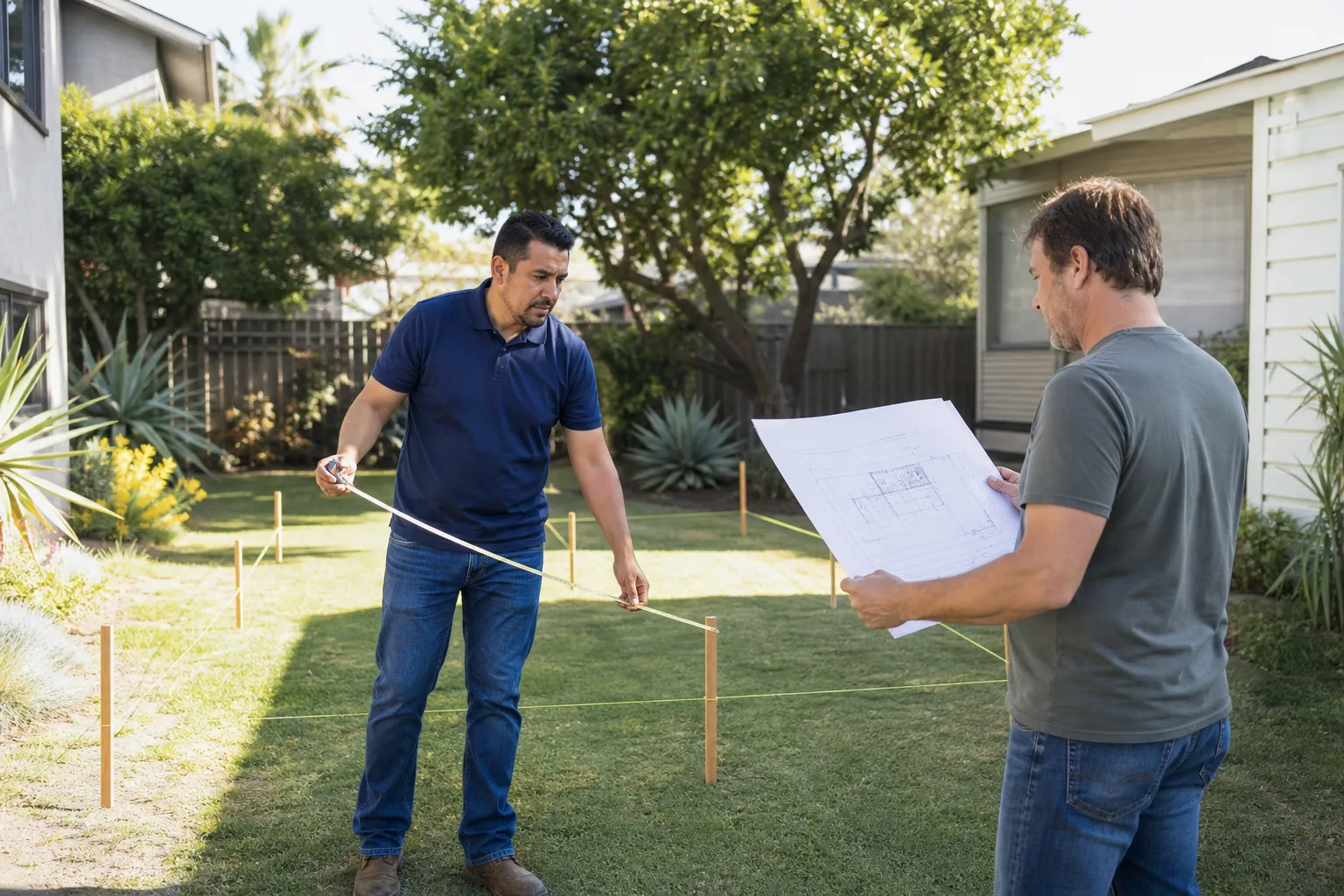
- Site assessment and measurement. We come out, measure the lot, confirm property lines against the latest survey data, and check for anything that changes the compliance picture: slopes, easements, existing structures, trees that trigger heritage or protected-species rules.
- Compliance strategy. Based on what we find, we tell you what can be approved as-of-right, what needs a variance or design review exception, and what is simply not feasible on your lot. This is a written plan, not a verbal promise. The price for this phase goes in writing before any work starts.
- Documentation and application preparation. We prepare the zoning documents, HOA submittal packages, and supporting exhibits. If we’re working with a prefab platform like Dvele or Cover, we integrate their design documentation into a format the city and your HOA can both read.
- Submission, follow-up, and amendments. We submit, track the review, respond to plan-check comments, and file amendments. San Jose’s online permitting portal has its own rhythms, and plan-check turnaround varies by project type and season. We stay on it until you have an approval in hand.
- Permit issuance handoff. Once zoning and HOA approvals are secured, we fold the compliance package into the full permit application and move into construction documentation. If you’re also building with us, this is seamless because the same team handles both.
HOA & Zoning Compliance Pricing in San Jose
Compliance work is priced by scope, not by square foot. Here’s a straight read on what we see in the San Jose market:
| Compliance Scope | Typical Range |
|---|---|
| Zoning feasibility check (document review, site visit, written findings) | $600 – $1,200 |
| HOA package preparation (architectural submittal, design statement, exhibits) | $800 – $1,800 |
| Full compliance management (zoning + HOA, through approval, amendments included) | $2,500 – $5,500 |
| Setback variance application (preparation, filing, hearing representation if required) | $3,000 – $7,500 |
| Permit application filing and plan-check response (zoning-related comments) | $1,200 – $2,800 |
These are honest ranges based on the work we’ve priced in San Jose neighborhoods from Rose Garden to Evergreen to Blossom Valley. What moves the number:
- HOA complexity. Some HOAs have a one-page design review form. Others have a 40-page architectural guideline document and a committee that meets monthly. You can guess which costs more.
- Variance requirements. If you need a setback variance or a height exception, the application takes longer to prepare and requires more justification. Public hearing representation, if your case goes that far, is additional.
- Site conditions. Sloped lots, creek setbacks, heritage trees, and unusual lot shapes all add review time and documentation work.
- Build method. Prefab ADUs from manufacturers like Boxabl or Cover still require site-specific compliance work, even though the factory handles engineering. The compliance package has to match the manufacturer’s specifications to the city’s rules and the HOA’s design standards.
- Existing permit history. If there’s an unpermitted structure, an expired permit, or a previous application that was denied, we have to untangle that first.
The price you approve on day one is the number on the final invoice. No exceptions. That’s The Garrison Standard, and it applies to compliance work just like it applies to framing and drywall. Call (669) 201-3984 and Reed will give you a straight read on what your project needs. Estimates are free.
Why San Jose HOAs Are Different
San Jose has one of the highest concentrations of HOAs in the Bay Area. Newer developments in areas like Berryessa, North San Jose, and the west side of the city almost always have an association. Older neighborhoods like Willow Glen and the Rose Garden have fewer HOAs but tighter historic-preservation and design-review overlays in some pockets.
What that means practically: if you live in a newer San Jose subdivision, your HOA almost certainly has architectural review authority. That authority is written into your deed restrictions. You agreed to it when you bought the house. The city’s permissive ADU rules do not override your HOA’s design standards. We say that clearly because it’s the single biggest misconception we hear from San Jose homeowners. “The state says I can build an ADU, so my HOA can’t stop me.” That’s half true. The state limits how restrictive your HOA can be, but your HOA still gets to review design, materials, colors, and construction practices. They just can’t ban ADUs outright.
Knowing that going in changes how you approach the project. You present the right design package, in the right format, with the right supporting language, and you get through review cleanly. You wing it and you get bounced.
What We See in Specific San Jose Neighborhoods
Willow Glen
Willow Glen’s older lots tend to be deeper than newer subdivisions, which helps with detached ADU placement. But the neighborhood has a strong design identity, and if your HOA or neighborhood association has design-review authority, the committee is likely to care about rooflines, window proportions, and exterior materials. A Tuff Shed-style structure that flies in a more casual neighborhood will get serious pushback in Willow Glen. We present designs that fit the block, not a template.
Almaden Valley
Almaden has more than its share of sloped lots and view-sensitive properties. Height restrictions and view preservation rules matter here more than almost anywhere else in the city. If your ADU threatens a neighbor’s view, expect a fight at the HOA level even if the city approves the height. Careful siting and modest rooflines avoid most of these fights before they start.
Evergreen and the East Foothills
Hillside ordinances, slope analysis, and drainage requirements are the recurring issues here. Some lots in the East Foothills also sit under wildland-urban interface rules that affect siding materials and roof treatments. James Hardie fiber cement siding often solves the materials question for both the fire-mitigation rules and the HOA design committee. It reads as traditional, holds up to San Jose’s dry summers and wet winters, and passes fire-review requirements.
Cambrian and Blossom Valley
These mid-century neighborhoods have a lot of original-condition homes and growing interest in garage conversions. The zoning questions here usually involve parking replacement and lot coverage. The HOA questions, when there is an HOA, usually involve whether a garage conversion changes the street-facing appearance in a way the association will accept. We’ve handled enough of these in Cambrian to know exactly what the review committees ask before they ask it.
How HOA Compliance Works With Prefab and Modular ADUs
Prefab ADUs change the compliance conversation in a specific way. The factory handles engineering, quality control, and much of the design documentation. But the site-specific work still has to happen: zoning analysis, setback confirmation, HOA design review, utility connection planning. When you’re working with a platform like Abodu, Cover, or Plant Prefab, the compliance package has to present the manufacturer’s standard designs in a way that satisfies both the city and your HOA. That’s a translation job, not a fill-in-the-blank job.
Some HOAs push back on prefab because they associate it with mobile homes or temporary structures. The right response is not an argument. It’s a design package that shows the finished elevation, the foundation, the materials, the landscaping plan, and the site plan, in the format the HOA’s architectural committee is used to seeing. We’ve done this enough times with major prefab platforms that we know which documentation packages get through cleanly and which ones draw requests for more information.
If you’re already working with a prefab manufacturer, we can step in and handle the compliance and permitting side without disrupting your factory timeline. If you haven’t chosen a platform yet, we can tell you honestly which ones fit your lot, your HOA’s rules, and your budget.
HOA & Zoning Compliance FAQs
How much does HOA and zoning compliance cost in San Jose?
Most San Jose homeowners spend $2,500 to $5,500 for full compliance management covering both zoning and HOA approval. Simpler projects with no variance and a straightforward HOA can run closer to $1,500. Variance applications and hillside work push costs higher, sometimes to $7,500 or more. Your price goes in writing before any work starts. Call (669) 201-3984 for an exact quote on your property.
Can my HOA stop my ADU project in San Jose?
Your HOA cannot ban an ADU outright under California state law, but it can review and reject your design, materials, and construction plans. If you skip HOA approval and start building, the association can levy fines or seek a court order to halt construction, even if the city has issued a permit. The safe path is to get both approvals before breaking ground, and that’s exactly the order we work in. Call (669) 201-3984 to check your property’s compliance picture before you invest in plans.
What’s the difference between a setback variance and a design review exception?
A setback variance is city permission to build closer to the property line than San Jose zoning rules allow as standard. A design review exception is HOA permission to deviate from the association’s architectural guidelines, like using a siding material the guidelines don’t list. They are separate approvals from separate bodies, and neither one automatically satisfies the other. We prepare both types of applications regularly. Call (669) 201-3984 and we’ll tell you which ones your project actually needs.
How long does HOA and zoning compliance take in San Jose?
Planning and preparation typically take two to four weeks, depending on how quickly we can pull documentation from your HOA and the city. HOA review time is out of our hands and varies by association; some committees meet monthly, which adds weeks. San Jose plan check for an ADU with a clean compliance package typically runs two to four months depending on current demand. Call (669) 201-3984 and we’ll give you a realistic timeline for your specific property and HOA.
Who You’ll Work With
Reed Calloway leads Fielding ADU San Jose. He’s built the team’s HOA and zoning compliance practice around a simple idea: the compliance work should be as disciplined as the construction work. No vague promises, no surprise fees, no application that sits untouched for three weeks. When you call (669) 201-3984, you’re talking to a live person, not a voicemail system, any hour of any day. When a crew member works on your project, that person is background-checked and in uniform. You know who’s on your property, and you know what they’re doing there.
Fielding ADU San Jose is an independently owned member of the Garrison Partners family. Garrison Partners has held itself to The Garrison Standard since 2006. That standard means a written price before any work starts, work done by the book, a clean site when we leave, and a 365-day written guarantee on every project. If something we built or filed fails inside that year, we return and correct it at no charge. That guarantee applies to compliance work, too. If the city or your HOA rejects something because of an error on our side, we fix it at our cost.
We are not the cheapest compliance service in San Jose. We are the one that puts the price in writing, answers the phone, and stands behind the work for a year. If you’ve been burned before by a contractor who missed the schedule or moved the price at the door, this is a different experience. You’ll see it in writing before you commit to it.
Start With a Compliance Check, Not a Guess
The worst time to learn that your HOA won’t approve your design is after you’ve paid for architectural plans. The worst time to learn your lot can’t support a detached ADU is after you’ve bought a prefab unit. Both happen in San Jose more often than they should. A compliance check costs a fraction of either mistake, and it tells you what the city and your HOA will actually allow before you spend real money.
Call (669) 201-3984. Tell us your address and what you’re thinking. We’ll pull the zoning, look at the HOA rules if you have them, and tell you honestly what’s possible, what’s probable, and what’s going to fight you. That first read is free. The full compliance package, when you’re ready, is priced in writing before we start. That’s the whole offer.
Reed and the Fielding ADU San Jose team are ready to talk today.
Written by Reed Calloway, Owner at Fielding ADU San Jose, serving San Jose.